10 Essential Signs of Roof Damage to Check After an Oklahoma City Storm
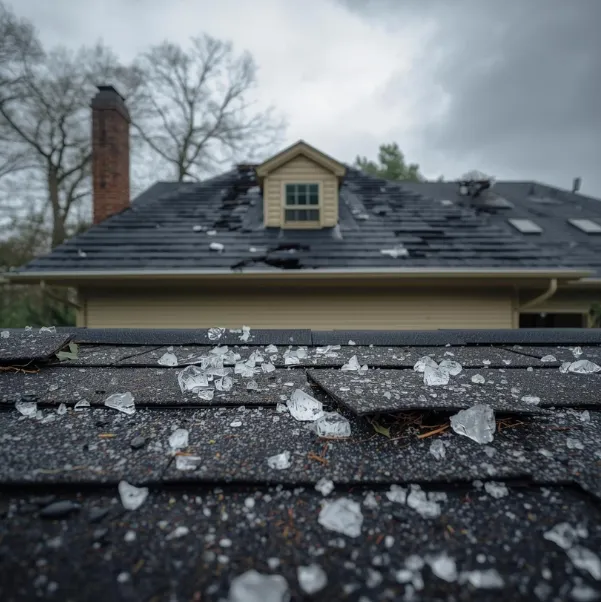
In Oklahoma City, the two biggest post-storm threats are hail and wind. Hail causes impact fractures and granule loss, while wind causes uplift and material removal. These threats often work together to compromise your roofing system.
Our checklist is divided into three critical zones: The Ground, The Exterior/Attic, and The Interior.
Zone 1: The Ground Inspection (Your Safest & Quickest Check)
Always start on the ground. Never climb onto a wet or damaged roof. Use a phone camera with a zoom lens or a set of binoculars.
1. Granule Accumulation in Gutters and Downspouts (The Hail Marker)
This is the most common sign of shingle damage after a hailstorm.
What to Look For: Open your gutters and check near the downspouts. Do you see an unusually large amount of black, coarse, sand-like material? These are the ceramic granules that protect your shingles from UV rays.
The Urgent Meaning: If a hailstorm was severe enough, it knocked these protective granules off the asphalt mat. Widespread granule loss means your shingles have been critically weakened and are now prone to rapid aging and cracking. This is often the first, undeniable proof when asking How can I Identify Roof Damage After a Severe Storm in Oklahoma City? and can be vital for an insurance claim.
2. Debris in the Yard (The Wind and Impact Marker)
This sign is loud and clear: physical pieces of your roof are no longer on your roof.
What to Look For: Shingle fragments, whole shingle tabs, pieces of flashing metal, or bits of rubber pipe boots scattered around your lawn, driveway, or flower beds.
The Urgent Meaning: Finding shingle tabs indicates high wind uplift pulled them off. Finding pieces of flashing or vent materials means impact damage (from flying debris or large hail) breached those critical seals. These spots are already leaking or will leak during the next rain.
3. Damage to Non-Roof Metals (The Proof of Hail Intensity)
Hail rarely hits just the roof. Check surrounding metal objects for matching impact evidence.
What to Look For: Dings, dents, or circular depressions on your metal window screens, aluminum siding, exterior HVAC units, mailbox, satellite dish, or the metal gutters themselves.
The Urgent Meaning: These matching dents prove that large hail passed through your area with enough force to damage rigid materials. If your metal is damaged, your shingles—which are softer—are almost certainly damaged, providing crucial documentation for How Can I Identify Roof Damage After a Severe Storm in Oklahoma City?
4. Flashing or Pipe Boot Failure Evidence
Flashing areas are the weak points of any roofing system.
What to Look For: From the ground, check the areas around your chimney, plumbing vents, and skylights. Look for cracked rubber pipe boots, bent or lifted metal flashing, or areas where the sealant around penetrations has obviously pulled away or deteriorated.
The Urgent Meaning: Storm winds and extreme temperature drops can rip or fracture these seals. A broken seal around a vent pipe allows water to flow directly into your home, resulting in immediate ceiling stains.
Zone 2: The Exterior and Attic Inspection (When It's Safe to Proceed)
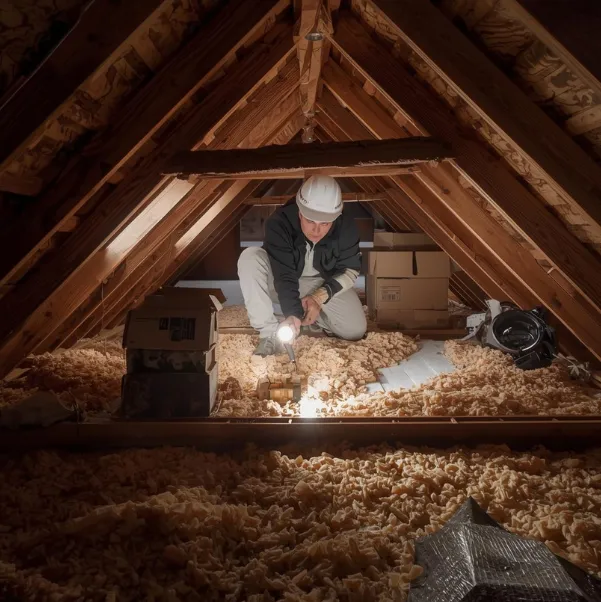
Once the ground inspection is complete, and if you can safely access your attic and visually inspect the roof from a window or safe height, look for these signs.
5. Missing, Creased, or Lifted Shingles
Wind damage is rarely subtle.
What to Look For (from a safe distance): Are there large, bare spots on your roof? Look especially along the edges, ridge caps (the shingles on the peak), and slopes facing the direction the wind came from. Also, look for creased shingles—those that have bent back on themselves but haven't detached yet.
The Urgent Meaning: Missing shingles expose the wooden roof deck, which is a structural emergency. Creased shingles mean the shingle seal is broken and the shingle’s structural integrity is gone, making them highly susceptible to blow-off in future events. This is a definitive sign of wind damage and tells you how to identify Roof Damage After a Severe Storm in Oklahoma City in a large, obvious way.
6. Bruises and Dark Spots on Shingles (Functional Hail Damage)
This requires a close visual, ideally by a professional who can safely walk the roof, but you can often spot this with good binoculars.
What to Look For: Shingles that look darker or have small, circular "bruises." These are spots where the hail impact fractured the fiberglass mat inside the shingle.
The Urgent Meaning: These bruises are functional damage, meaning the shingle's water-shedding capability has been compromised, even if it’s not leaking yet. The spot will eventually soften, crack, and become a leak. A professional inspection focuses on confirming this functional damage for insurance purposes.
7. Sagging or Uneven Decking
Extreme weather can sometimes cause immediate structural distress.
What to Look For (from the street or the attic): Does any section of the roof plane look depressed, wavy, or lower than the surrounding area?
The Urgent Meaning: Sagging can indicate a shift in the underlying rafters or, worse, prolonged water damage that weakened the roof deck wood, which the storm finally stressed to the breaking point. This is an urgent structural emergency. If the roof is sagging, stay off and out of the area below.
8. Daylight in the Attic
Go into your attic (safely, with a sturdy light source).
What to Look For: Turn off your attic lights and look for any beams of sunlight or pinpricks of light shining through the roof deck, especially around penetrations like vents and chimneys.
The Urgent Meaning: If light can get in, water is already getting in or will get in during the next rain. Storms can cause the roof decking to shift slightly, creating gaps, or can rip entire holes through the shingles and underlayment. This is an immediate, high-priority repair issue.
Zone 3: The Interior Check (The Ultimate Red Flag)
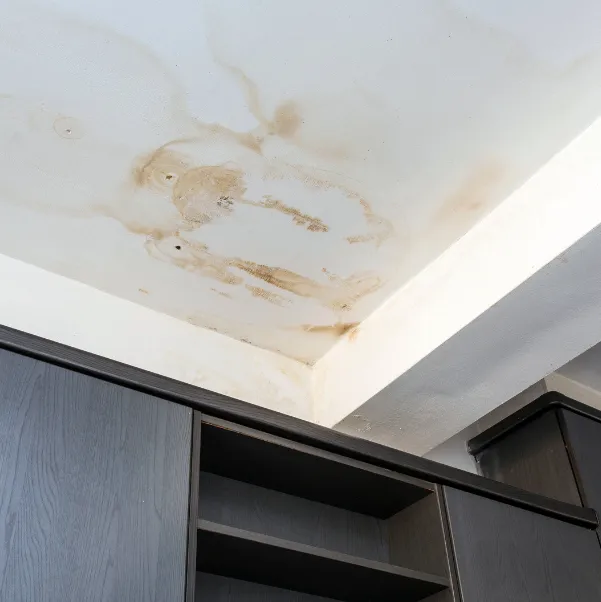
These are the signs that damage has already breached the entire system and requires immediate mitigation.
9. Water Stains on Ceilings and Walls
This is the non-negotiable red flag.
What to Look For: Look for discolored rings, brown patches, or dark streaks on your ceilings and along the tops of your interior walls. Check in closets and less-used rooms where stains might go unnoticed.
The Urgent Meaning: Water has penetrated the roof, soaked the insulation, and stained your drywall. You have an active leak, and mold growth begins within 24-48 hours of water intrusion. Place buckets immediately under any active drips and call a professional roofer before calling anyone else. This is the clearest sign that answers: How Can I Identify Roof Damage After a Severe Storm in Oklahoma City?
10. Damp or Compacted Attic Insulation
An early warning sign that precedes ceiling stains.
What to Look For: If you can safely access the attic, use your flashlight to inspect the insulation. Does it look dark, wet, clumpy, or matted down, especially near vents or corners?
The Urgent Meaning: Your insulation is saturated. Wet insulation loses its effectiveness, and the water is now resting against your ceiling sheetrock and structural wood. This is a severe threat to long-term wood rot and mold development. The water may not have reached your ceiling yet, but it’s actively working its way through.
Your Post-Storm Action Plan
After an Oklahoma City storm, time is your enemy. The goal is to document the damage quickly for your insurance provider and get emergency repairs to prevent secondary damage (mold, rot).
Safety First: Never climb on a damaged or wet roof.
Document Everything: Take clear, close-up photos of all ground-level evidence (granules, debris, dented metal) and interior signs (stains, daylight).
Mitigate Interior Damage: Use buckets and tarps inside to minimize water damage.
Call a Local Professional: An Oklahoma-based roofer understands our insurance claim process and the specific types of damage our weather inflicts.

The process of finding the damage is crucial, but fixing it properly is what protects your family and investment for the long haul.
Ready to partner with a roofing company that values integrity, quality, and customer satisfaction?
Dealing with storm damage is stressful enough without trying to decipher insurance forms and spot tiny shingle bruises. We are experts in answering How Can I Identify Roof Damage After a Severe Storm in Oklahoma City? because we live and work here. We provide clear, honest, and documented inspections that you can trust.
Look no further than Total Restoration OK. We are your go-to source for reliable Commercial Roofing services in Oklahoma City, and we're proud to be one of the most trusted Roofing Companies in Oklahoma. We stand ready to provide emergency tarping and a thorough inspection to secure your home immediately.
Call us now at (405) 209-1344 or visit our website to schedule your roofing installation project and experience real value, honest assessments, transparent pricing, and long-lasting results.
Schedule Your Quality Roof Assessment Today.
Ready for real value? Simply fill out the form for a professional roof assessment and receive your honest, detailed quote for any needed work.
