10 Warning Signs Your Roofing Materials Are Close to the End of Their Lifespan
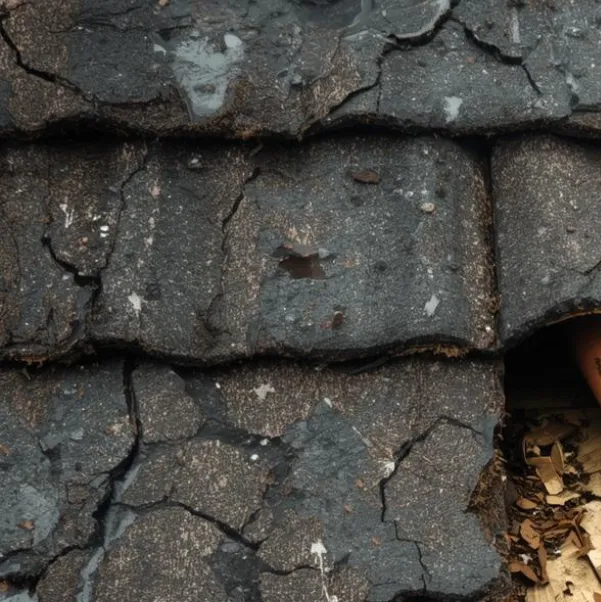
The average lifespan of a standard asphalt shingle roof is typically 20 to 25 years under ideal conditions. Here in Oklahoma City, due to the extreme heat, constant hail, and high winds, the lifespan is often significantly shortened. It’s common to see roofs fail structurally after 15 or 18 years due to accelerated wear.
Recognizing the signs of age is the most valuable thing you can do to protect your home. A planned replacement is always less expensive and less stressful than an emergency replacement after a catastrophic failure. Let’s dive into What Are the Signs That My Roofing Materials Are Nearing the End of Their Lifespan?
The Core 5: Signs of Material Degradation and Failure
These indicators focus on the physical breakdown of the asphalt shingles themselves, proving they’ve lost their integrity.
1. Significant and Widespread Granule Loss
We talked about granules after a storm, but heavy, widespread granule loss is also the number one sign of aging.
The Mechanism: Granules are the UV shield for the asphalt. Over two decades of sun and weathering, they naturally detach. When large sections of the shingle become bare, it means the underlying asphalt is fully exposed.
The Implication: If you see dark, smooth, or "bald" patches on the shingles (especially on the sunny side) or large amounts of sand-like debris constantly collecting in your gutters and washouts, your roof is critically unprotected. The bare asphalt is rapidly oxidizing, leading to brittleness. This is a clear, visible answer to What Are the Signs That My Roofing Materials Are Nearing the End of Their Lifespan?
2. Curling, Cupping, or Clawing Shingles
This deformation is a direct result of heat, moisture, and aging.
The Mechanism: Shingles deform in three main ways: Curling (edges turning up), Cupping (edges turning down, creating a scoop shape), or Clawing (the edges staying flat while the center pushes up). This is caused by repeated temperature changes, moisture absorption in the shingle mat, and poor attic ventilation.
The Implication: Once the shingle lifts, it can no longer shed water effectively. It funnels wind and water underneath the shingle, destroying the felt paper and exposing the deck. A widespread pattern of curling is a definitive sign that a replacement is due.
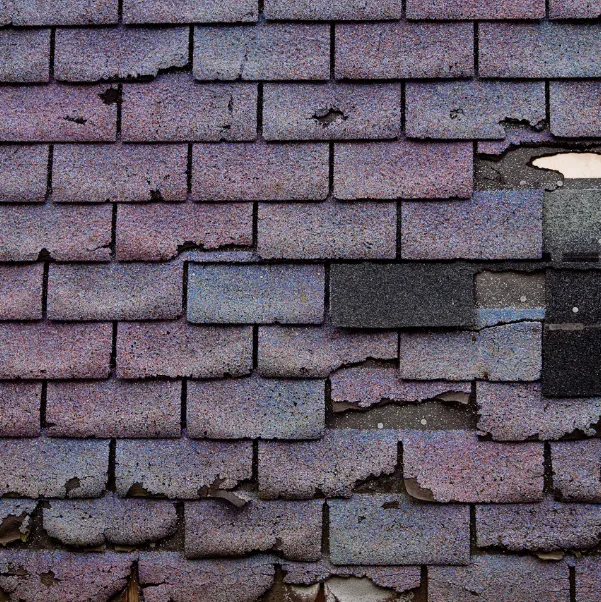
3. Widespread Cracking and Splitting (Brittle Shingles)
Cracks that run horizontally or vertically across the shingle tabs, especially in older roofs, signify the end is near.
The Mechanism: After years of sun exposure and UV damage, the asphalt loses its essential oils and flexibility. It becomes hard and brittle, unable to expand and contract with temperature changes or withstand minor impacts.
The Implication: Brittle shingles crack easily. Unlike impact cracks, which are localized, age-related cracks appear randomly and universally across the roof. Every crack is a direct breach in the shingle's waterproofing layer, answering What Are the Signs That My Roofing Materials Are Nearing the End of Their Lifespan? with dangerous clarity.
4. Cracked, Missing, or Deteriorated Flashing Sealants
While flashing is metal, the sealants and rubber materials used to protect these joints have shorter lifespans than the shingles themselves.
The Mechanism: Sealants (caulking) around chimneys, skylights, and especially the rubber pipe boots on vent stacks are heavily exposed to UV rays and thermal movement. They dry out, shrink, and crack, often failing before the shingles do.
The Implication: Even if the shingles are holding up, compromised sealants are prime leak entry points. If these materials look cracked, crumbly, or have completely pulled away, it means the whole roof system's vulnerable points are exposed and failing simultaneously.
5. Visible Signs of Mold, Mildew, or Rot on Exterior Wood
Look beyond the shingles to the surrounding fascia, soffits, and trim.
The Mechanism: An old roof often fails in ways that allow constant moisture exposure to the underlying structure. This can be caused by long-term leaks, chronically clogged gutters, or poor ventilation that traps moisture inside.
The Implication: If you see spongy or dark wood near the edges of the roof, or if paint is peeling heavily on the fascia board, it indicates water damage. The wood structure supporting the roofing material is compromised, signifying that the entire system has failed to keep moisture out, strongly suggesting it’s time to move past temporary repairs.
The Critical 5: Structural, Systemic, and Hidden Signs
These indicators are often hidden from plain sight but point to severe systemic failure, which is the ultimate sign of end-of-life materials.
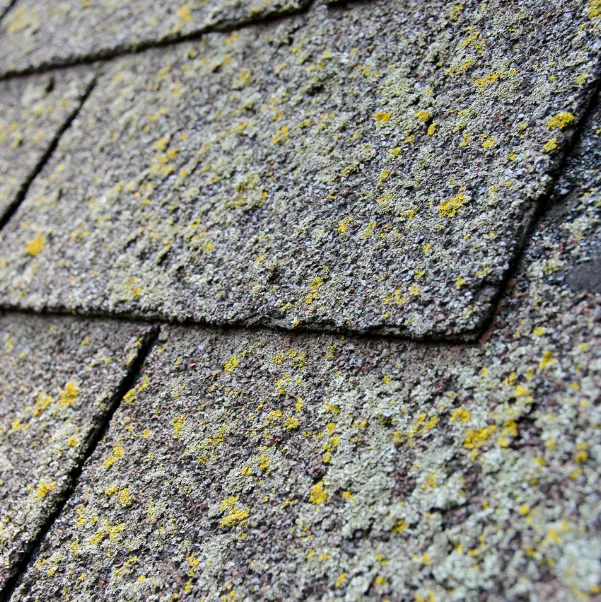
6. Widespread Presence of Algae or Moss
While some algae are just cosmetic (dark streaks), persistent moss growth is a material threat.
The Mechanism: Moss holds a thick layer of moisture directly against the shingle surface. Its root systems burrow into the shingle material, lifting the edges and accelerating the decomposition of the asphalt mat beneath.
The Implication: Moss is often found on old roofs that are porous and retain water. This continuous dampness breaks down the material faster than anything else and can lead to structural rot underneath. If moss is abundant, the roof is saturated and failing.
7. Sagging or Uneven Roof Decking (From the Attic)
This is the most serious structural warning.
The Mechanism: Sagging is usually caused by long-term water damage that has weakened the plywood or OSB roof deck and potentially the rafters below. Old roofs are more likely to have slow, hidden leaks that cause this damage over many years.
The Implication: If you go into your attic and see the wood deck dipping or notice water staining or mold on the rafters, the structure is compromised. Repairing a sagging deck is complex and expensive, and almost always requires a full tear-off and replacement. This is the structural confirmation of What Are the Signs That My Roofing Materials Are Nearing the End of Their Lifespan?
8. Your Roof Is Over 20 Years Old (The Age Factor)
Sometimes, the simplest sign is the most definitive.
The Mechanism: Asphalt shingles, regardless of how well they look, are designed to last a finite amount of time before their waterproofing chemical components break down.
The Implication: If your roof is over 20 years old and has been through multiple severe Oklahoma hail seasons, its resilience is virtually gone. Even if it looks okay, a single moderate storm could cause massive, widespread functional damage. Proactive replacement is a far better investment than reactive, emergency replacement.
9. High and Increasing Energy Bills
This indicates that the entire roofing system (shingles, deck, and insulation) is failing to manage heat.
The Mechanism: An old roof often has compromised attic ventilation (due to debris, old components, or poor initial installation), coupled with insulation that is damp or compacted from slow leaks. This allows superheated air to build up and transfer into your living space.
The Implication: The HVAC unit works overtime, costing you money every day. An aged roof that contributes to soaring utility bills is functionally obsolete and needs replacement to restore home efficiency and comfort.
10. Previous Repairs Are Now Failing (The Patchwork Effect)
An old roof that has been subjected to constant spot-repairs eventually reaches a point of diminishing returns.
The Mechanism: When a professional repairs a roof, they try to match the surrounding material. On an old roof, the new shingle never seals properly to the brittle, aged surrounding shingles. The point of failure simply moves to the edge of the patch.
The Implication: If you have had several repairs done in different spots over the past few years, and you continue to get leaks, the problem is no longer localized—it is systemic. The entire field of shingles is too old to hold up. This is the final financial answer to What Are the Signs That My Roofing Materials Are Nearing the End of Their Lifespan?—it’s cheaper to replace than to keep patching a sinking ship.
From Aging to Actionable Plan
Recognizing the end-of-life signals for your roofing materials is the key to minimizing risk, preventing structural decay, and maximizing your home’s energy efficiency.
The Critical Trio: Widespread Granule Loss, Curling/Cupping, and Brittle Cracking are the physical death signs of asphalt shingles.
Structural Alarms: Sagging decking and rot on fascia/soffits mean water has penetrated the system over a long period.
Financial Decision: Once repair costs become constant or your roof exceeds 20 years (especially in OKC), proactive replacement is the financially responsible choice.
Don't wait for a huge storm to force your hand. Use these 10 signs to schedule a thorough, non-emergency assessment.
Ready to partner with a roofing company that values integrity, quality, and customer satisfaction?
Understanding what the signs are that My Roofing Materials Are Nearing the End of Their Lifespan is the first step toward smart home stewardship. The next step is partnering with a roofing expert who specializes in high-quality, long-lasting replacement systems designed for the OKC climate.
Look no further than Total Restoration OK. We are your go-to source for reliable Commercial Roofing services in Oklahoma City, and we're proud to be one of the most trusted Roofing Companies in Oklahoma. We provide honest, detailed assessments to help you transition from an aging roof to a reliable, efficient, and beautiful new system.
Call us now at (405) 209-1344 or visit our website to schedule your roofing installation project and experience real value, honest assessments, transparent pricing, and long-lasting results.
Schedule Your Quality Roof Assessment Today.
Ready for real value? Simply fill out the form for a professional roof assessment and receive your honest, detailed quote for any needed work.
