Asphalt vs Metal Roofing: The Ultimate Showdown for Oklahoma Homes
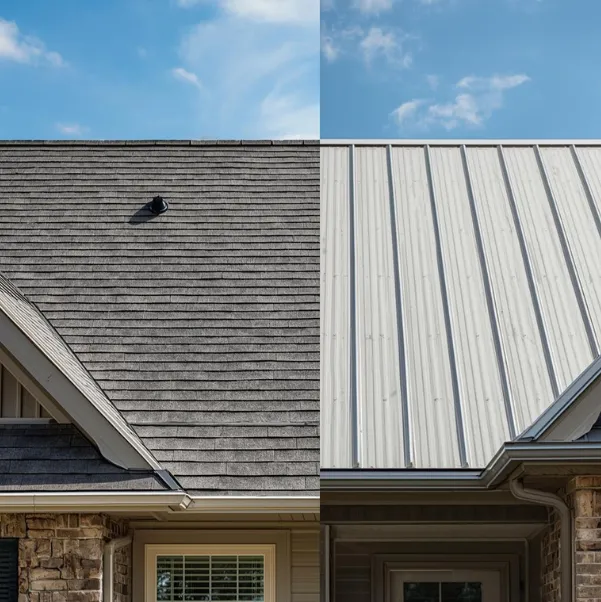
Choosing a new roof in Oklahoma isn’t like picking paint colors; it’s a critical engineering decision driven by weather survival. Here at Total Restoration, we don’t just offer roofing services; we offer fortification against tornadoes, massive hail, and extreme thermal swings. When our clients ask us to Compare Asphalt and Metal Roofing, we don't give them a generic answer. We give them a strategy tailored for the unique, aggressive climate of the OKC metro area.
Our unique perspective is this: the "better" option isn't about material preference; it's about calculating risk versus long-term return in a severe weather environment. Asphalt and metal are the dominant choices, but they manage risk in completely different ways. Let's break down this essential Oklahoma roofing choice, guiding you toward a decision that maximizes your home’s security and value.
The Oklahoma Climate Imperative: Why Roofing Here Is Different
Before we dive into materials, we must acknowledge the "Oklahoma Factor." Your roof’s enemy here isn't just time; it’s sudden, catastrophic forces. Any material you select must demonstrate superior performance against these three threats:
1. High-Velocity Hail Impact
This is the number one damage source. Hail stones—often golf ball-sized or larger—strike shingles with tremendous force, bruising the asphalt mat, dislodging protective granules, and leading to hidden leaks that become costly issues later.
2. Extreme Thermal Cycling and UV Exposure
Oklahoma summers see weeks of 100+ degree heat, followed by rapid drops in temperature during sudden storms. This cycle causes materials to expand and contract rapidly (thermal shock). Combined with intense UV radiation, this significantly accelerates the aging process and causes standard materials to crack and become brittle.
3. Wind Uplift and Severe Gusts
High straight-line winds, common in our storm seasons, put immense stress on shingle adhesion and fastening points, literally trying to rip the roof off the decking.
Your choice—asphalt or metal—determines how well your roof will manage these specific, overlapping stresses over the next few decades.
Asphalt Roofing: The Reliable Workhorse with a Critical Upgrade
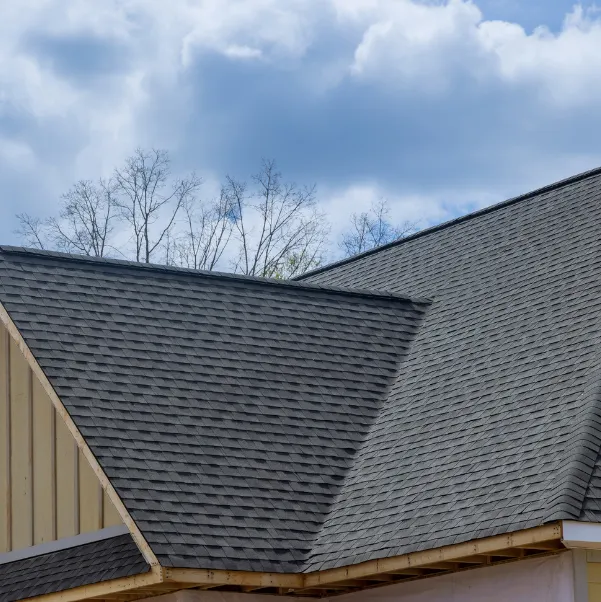
Asphalt shingles remain the most popular choice due to their affordability, ease of installation, and wide range of aesthetic options. However, to survive in Oklahoma, you must select the right type of asphalt: Architectural Laminate Shingles. The old three-tab shingle simply cannot cope with our conditions.
The Standard Asphalt Performance Profile
Aesthetics and Initial Cost: Asphalt is highly versatile. It offers countless colors and textures, mimicking everything from wood shake to slate, and its initial cost is significantly lower than metal. This makes it an attractive option for homeowners focused on affordability and curb appeal.
Installation and Repair: Asphalt shingles are widely available, and almost all local roofing contractors are proficient in their installation. Repairs are also straightforward; a damaged section can usually be addressed by replacing individual shingles or small areas.
The Major Weakness: Longevity and Thermal Stress: Standard architectural asphalt generally lasts 20 to 30 years here, but that lifespan is often cut short by hail damage and the relentless thermal cycling. The sun’s UV rays gradually dry out the asphalt, causing the materials to shed granules and become brittle over time. This aging process makes the material less resilient to the next big storm.
The Oklahoma Solution: The Class 4 Upgrade
If you choose asphalt, our recommendation at Total Restoration is always the Class 4 Impact Resistant Shingle. This is the key strategic move for any asphalt roof in OKC.
Impact Resistance: Class 4 materials incorporate specialized polymers that allow the shingle to absorb and deflect impact, earning the highest rating (UL 2218). This significantly reduces the chances of damage during a typical Oklahoma hailstorm, protecting your investment.
Insurance Savings: Because they offer superior protection, many local insurance carriers offer meaningful premium discounts for homes with certified Class 4 roofs. The savings can quickly offset the slightly higher initial cost of the material.
Warranty: Installing a premium, Class 4 system often unlocks better, longer-term manufacturer warranties, giving you better peace of mind.
To summarize, asphalt is the better choice for homeowners prioritizing lower upfront cost and a traditional look, provided they make the crucial investment in Class 4 technology to manage Oklahoma's hail risk.
Metal Roofing: The Investment in Lifetime Fortification
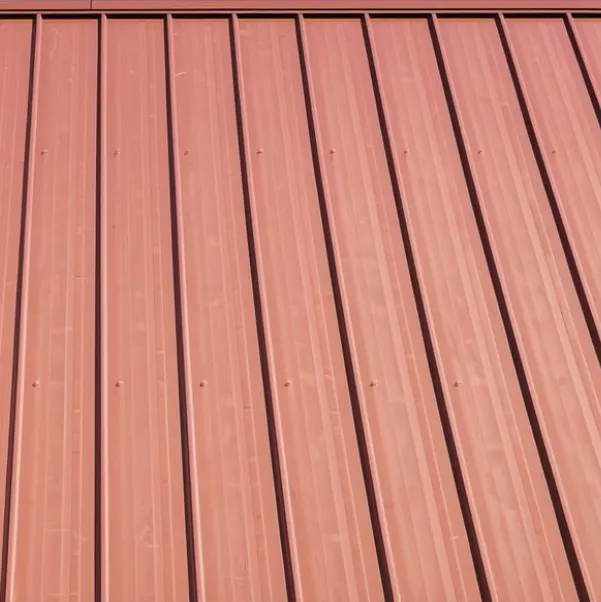
Metal roofing, particularly the standing seam profile, is not merely a style choice; it’s an asset that offers near-unparalleled durability against the forces that destroy other roofs. While the initial investment is higher, the long-term value proposition for Oklahoma is extremely compelling.
The Metal Performance Profile
Longevity and Durability: This is where metal shines. A quality standing seam metal roof can last 40 to 60 years or more with minimal maintenance. It resists cracking and thermal shock because the material is designed to expand and contract freely along the roof line, a massive advantage over asphalt in our climate.
Wind and Fire Resistance: Metal roofs have exceptional wind resistance, often exceeding the standards for wind uplift, making them a true fortress against strong Oklahoma gusts. They are also non-combustible, earning a superior Class A fire rating.
Energy Efficiency: Metal is highly reflective, particularly light-colored panels. It dramatically bounces solar heat away from the home in the summer, leading to measurable cooling cost reductions—a major long-term benefit for OKC residents.
The Major Weakness: Upfront Cost and Installation Complexity: Metal is considerably more expensive to purchase and install than asphalt. The installation requires specialized equipment and expertise in complex fabrication, flashing, and sealing—skills that not all general roofers possess. A poorly installed metal roof, particularly at the seams, can fail just as easily as a weak asphalt roof.
The Total Restoration Approach to Metal
We view metal as the superior option for homeowners who see their roof as a permanent, high-value component of their home, seeking to minimize future insurance claims and maintenance cycles.
Standing Seam: We focus on standing seam metal, where the fasteners are concealed and protected from the elements, ensuring a watertight system that moves with temperature changes.
Sound Damping: Concerns about noise (rain, hail) are often mitigated by installing the panels over a solid roof deck and utilizing specific installation techniques to cushion the material.
Long-Term Savings: When you consider that a metal roof will likely outlive two asphalt roofs, the lifetime cost often makes the initial investment worthwhile. It offers peace of mind and resilience against the most destructive weather patterns we face.
Compare Asphalt and Metal Roofing: Making the Strategic Choice
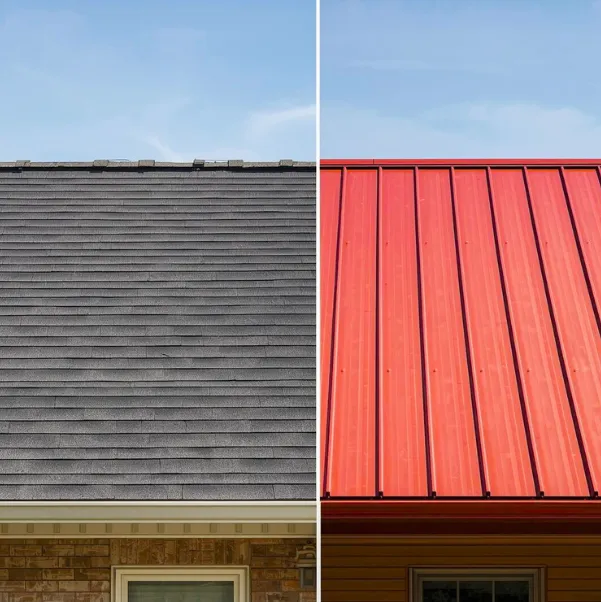
The decision between asphalt and metal truly hinges on two strategic factors: your budget horizon and your priority for risk management.
When Asphalt (Class 4) Is Better:
Budget Priority: If your current budget is constrained and a lower initial cost is necessary.
Traditional Aesthetics: If you strongly prefer the conventional appearance and wide range of color options offered by architectural shingles.
Short-Term Ownership: If you plan to sell the home within 10 to 15 years, a high-quality asphalt roof offers excellent curb appeal and resale value without the premium cost of metal.
Actionable Advice: Always insist on Class 4 Impact-Resistant shingles. Without this upgrade, a standard asphalt roof is merely waiting for the next major hailstorm.
When Metal Roofing Is Better:
Lifetime Investment: If you plan to live in your home for 20 years or more, and seek to minimize future replacement costs.
Maximum Fortification: If your primary concern is absolute resilience against hail, high winds, and fire.
Energy Efficiency: If you want measurable reductions in your summer cooling bills, due to the reflective nature of the material.
Actionable Advice: Verify your chosen contractor has specific, proven expertise in standing seam installation. The material is only as good as the installation crew.
Beyond the Material: The Restoration Difference
Regardless of whether you choose the strategic durability of upgraded asphalt or the lifetime resilience of metal, the material is only one part of the equation.
At Total Restoration, we approach every job with a full-scope restoration mindset. This means we also focus on the supporting components that truly guarantee longevity for Residential Roofing OKC:
Ventilation: Installing adequate intake and exhaust ventilation (like ridge vents) to prevent attic heat buildup, which can prematurely bake and void the warranty of any material.
Underlayment: Using high-quality synthetic underlayment and specialized ice and water shield in critical areas (valleys, penetrations) to provide a secondary, permanent water barrier beneath the primary roofing material.
Flashing: Custom metal flashing and premium sealants are applied meticulously at all roof penetrations to ensure every weak point is watertight against the intense pressure changes and rain associated with Oklahoma storms.
Your roof is a system, and every component must be expertly selected and installed to withstand the challenges of our Oklahoma climate. To Compare Asphalt and Metal Roofing correctly is to compare two different long-term investment strategies. Choose the one that best aligns with your financial horizon and your ultimate goals for your home’s security.
Schedule Your Free, No-Obligation Inspection
Get a professional roof inspection and a detailed estimate by filling out the form below.
