Asset Readiness: A Systematic Guide to Seasonal Roof Maintenance in Oklahoma City
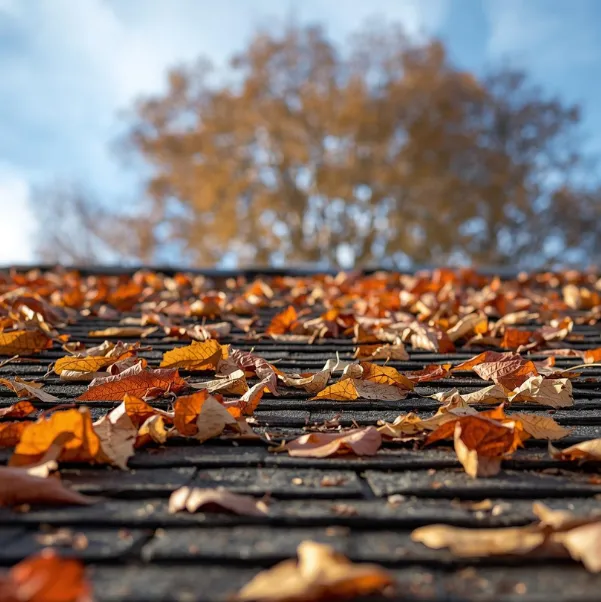
For every homeowner in Oklahoma City, the roof is far more than a structural necessity; it is a high-performance shield designed to withstand one of the most volatile climates in the nation. From the "hook echoes" of spring supercells to the blistering triple-digit heat of an August afternoon, your roof is in a constant state of battle.
In this region, a "set it and forget it" mentality is a recipe for premature failure. The true secret to extending your roof’s lifespan—and avoiding the multi-thousand-dollar deductibles that come with emergency replacements—lies in a disciplined approach to maintenance. By following these Seasonal Roof Upkeep Guidelines, you can transition from a reactive homeowner to a proactive steward of your property’s most vital defense.
At Total Restoration, we see the results of Oklahoma weather daily. We know that a minor vulnerability in March can become a catastrophic leak by May. This guide is your roadmap to preserving your investment, organized by the specific challenges each Oklahoma season presents.
Spring: The Pre-Storm Forensic Check
Spring in Oklahoma City is synonymous with "Storm Season." Before the first severe weather sirens wail, your roof needs a comprehensive defensive audit. This is the window to identify and fix weaknesses before 70-mph winds and golf-ball-sized hail put them to the ultimate test.
The Post-Winter Sealant Audit
Winter’s freeze-thaw cycles are brutal on sealants. As water freezes in tiny crevices around vent pipes, chimneys, and skylights, it expands, widening gaps.
Inspect the "Boots": Check the rubber gaskets around plumbing vents. In the OKC climate, these dry out and crack faster than the shingles themselves.
Flashing Integrity: Ensure the metal flashing around chimneys hasn't pulled away. If the sealant is brittle or peeling, it needs immediate replacement with a high-grade, UV-resistant roofing cement.
Gutter Clearance and Drainage Flow
Oklahoma’s spring rains are often torrential. If your gutters are still packed with last year’s autumn silt and winter debris, water will back up under the eave shingles.
Clear the Valleys: Debris tends to collect in the "V" where two roof slopes meet. These valleys are high-volume water channels; any obstruction here will force water sideways, underneath your shingles.
Downspout Diversion: Verify that downspouts are clear and directing water at least six feet away from your foundation.
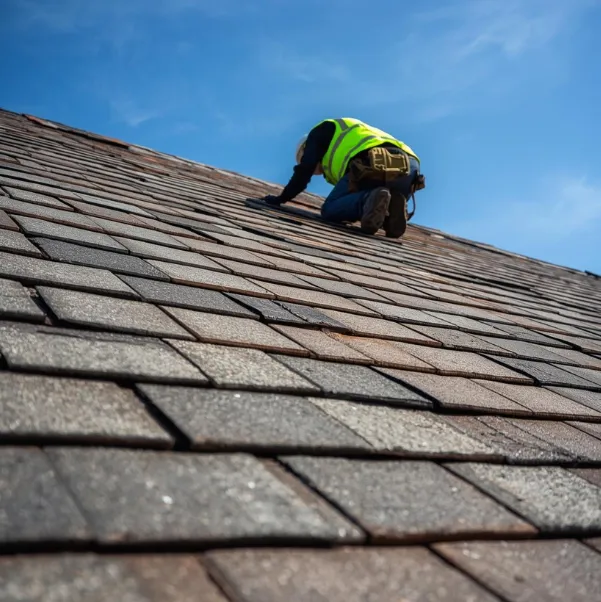
Summer: Managing the "Pressure Cooker" Effect
While people often focus on storms, the silent killer of Oklahoma roofs is the relentless summer sun. In July and August, your attic can reach temperatures exceeding 150°F, literally baking your shingles from the inside out.
The Ventilation Vitality Check
Proper attic ventilation is the difference between a roof that lasts 20 years and one that fails at 12.
Intake and Exhaust: Air must flow in through your soffit vents and out through ridge or box vents. If your attic is stiflingly hot, your ventilation is failing.
Shingle "Blistering": Look for signs of shingles that appear to be bubbling or "cooking." This is a definitive sign of trapped heat and moisture.
UV Damage and Granule Monitoring
The sun's ultraviolet rays break down the asphalt oils that keep shingles flexible.
Check the Gutter Troughs: If you find a thick layer of "sand" (granules) in your gutters, your shingles are losing their protective coating. Once the granules are gone, the underlying asphalt is exposed to UV, leading to rapid deterioration and "alligatoring" (cracking).
Fall: The "Goldilocks" Maintenance Window
Fall is the most critical time for Seasonal Roof Upkeep Guidelines because the weather is finally stable enough for deep inspections and repairs. This is the time to assess the "scars" left by summer storms and prepare for winter’s ice.
Forensic Hail Assessment
Hail damage is often subtle. Small "bruises" on shingles don't always leak immediately, but they break the shingle's matting.
Identify the Dents: Look for dark spots where granules have been knocked off.
Metal Inspection: Check for dents on soft metal vents or flashing. If the vents are dented, the shingles likely are too.
Landscape Management
Oklahoma winds mean that nearby trees are a constant threat.
The Six-Foot Rule: Trim any branches so they are at least six feet away from your roofline. Branches that "scrub" against the roof during wind events act like sandpaper, removing the protective granules in a matter of months.
Pest Prevention: Overhanging limbs are highways for squirrels and raccoons that can chew through vent covers to find warmth in your attic.
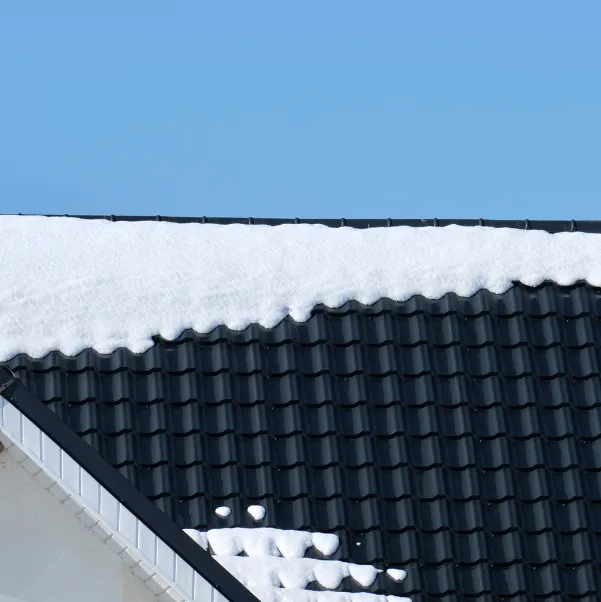
Winter: Guarding Against the Freeze-Thaw Cycle
While Oklahoma City winters are often mild, the frequent "flip-flop" between warm days and freezing nights creates the perfect conditions for ice dams.
Preventing Ice Damming
Ice dams occur when heat escapes your attic, melts the snow on the roof, and the water refreezes at the cold eaves. This creates a dam that forces liquid water back up under the shingles.
Insulation Integrity: The best defense against ice dams isn't on the roof; it's in the attic. Ensure you have adequate insulation to keep heat inside your home rather than letting it escape into the attic space.
Monitoring the "Ice Line": After a snow event, watch for heavy icicle formation at the gutters. This is a primary indicator that your roof is losing heat and an ice dam is forming.
The "Spongy" Deck Check
During a winter thaw, walk your attic with a flashlight. Look for dark stains on the underside of the roof decking. In the winter, wood that stays damp because of a minor leak will start to rot, creating "spongy" spots that will eventually fail under the weight of a heavy snow or ice storm.
The Total Restoration Advantage: Professional Stewardship
Following Seasonal Roof Upkeep Guidelines on your own is an excellent first step, but the Oklahoma climate demands a level of forensic expertise that only a local professional can provide. At Total Restoration, we don’t just "look" at roofs; we perform a deep-dive diagnostic of your home’s entire protective system.

Why Professional Maintenance Matters
Forensic Technology: We utilize infrared thermography and high-resolution drone imagery to find moisture trapped in your insulation that is invisible to the naked eye.
Insurance Advocacy: By having a consistent record of professional maintenance, you are in a much stronger position when filing a claim. We provide the documentation adjusters need to see that your home was well-cared for before a storm event.
Manufacturer-Certified Repairs: Small repairs made during the "off-season" must be done to manufacturer specifications to keep your warranty intact. We use only top-tier, Oklahoma-tested materials for every minor patch or flashing fix.
Your Proactive Plan
Your roof is the single most expensive and important protective system on your home. In Oklahoma City, you cannot afford to be reactive. By implementing these seasonal guidelines—from spring sealant audits to winter insulation checks—you are not just maintaining a roof; you are buying peace of mind.
Don't wait for the next "Tornado Alley" special to find out if your roof is compromised. Take control of your home’s defense today.
Schedule Your Quality Roof Assessment Today.
Ready for real value? Simply fill out the form for a professional roof assessment and receive your honest, detailed quote for any needed work.
