Beyond the Quote: Key Factors That Influence Roof Repair Costs in Oklahoma City

When your roof springs a leak or suffers obvious storm damage, the initial stress is immediately followed by a single, critical question: What Factors Can Affect the Final Cost of a Roof Repair in Oklahoma City? The answer is far more complex than just calculating the square footage of the damaged area.
At Total Restoration, we approach every repair as a forensic investigation. Our unique perspective is that a low initial repair quote is often the most expensive choice you can make, as it frequently fails to account for hidden water damage, necessary structural integrity checks, and, crucially, the challenge of shingle matching. The final, true cost of a roof repair is determined by the specific risk factors of the Oklahoma environment and the expertise required to address them permanently.
This guide breaks down the six core factors that determine the final cost of your roof repair, providing you with the authoritative knowledge needed to vet contractors and secure a repair that lasts.
Factor 1: The Hidden Damage Beneath the Surface
The visible damage on your roof's surface is almost never the most costly problem. The true financial risk lies underneath the primary roofing material.
A. Decking and Substrate Integrity
A persistent leak, even a small one, allows water to saturate the decking (plywood or OSB) underneath the shingles. Wet or rotten decking must be replaced before any new material is laid.
Cost Impact: This adds significant labor time for tear-off and replacement. Decking replacement costs typically range from hundreds to over a thousand dollars, depending on the extent of the damage. This cost often cannot be quoted until the shingles are removed.
Actionable Advice: Insist that the contractor includes an estimate for potential Decking Replacement labor and material. A low repair estimate that ignores this risk is deceptive.
B. Water Damage and Mold Remediation
If water has penetrated the attic and insulation, the repair scope expands dramatically.
Cost Impact: Repair costs shift from roofing labor to general contracting, potentially involving insulation replacement, ceiling and drywall repair, and necessary mold remediation. This dramatically increases the repair cost and is the most financially damaging consequence of delayed action.
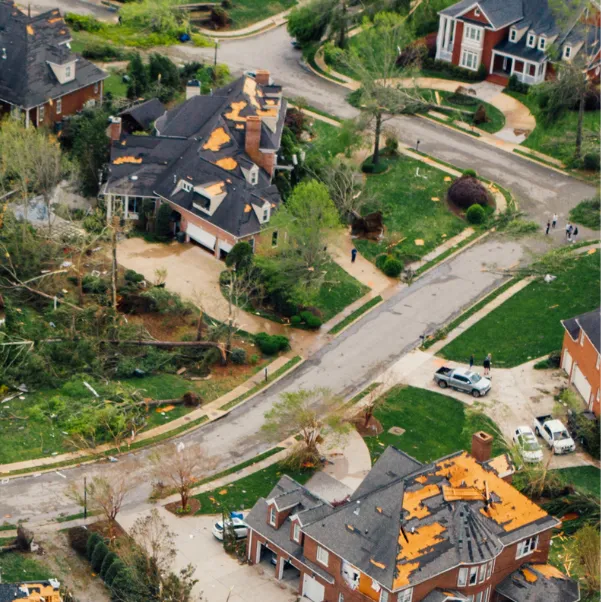
Factor 2: The Complexity of the Repair Location and Type
The physical characteristics of the repair area determine the difficulty and duration of the labor, directly influencing the final cost.
A. Location on the Roof (Flashings vs. Field)
The type of repair needed heavily influences labor costs.
High-Cost Repairs: Repairs around complex structures like chimneys, skylights, pipe vents, and valleys (where two roof planes meet) are the most expensive. They require specialized flashing labor—meticulous work to cut, bend, and seal metal to prevent water intrusion.
Low-Cost Repairs: Simple shingle replacement in the "field" (the main, flat area of the roof) is generally the most affordable type of repair.
B. Roof Pitch and Accessibility
A steep or high roof dramatically increases the labor cost.
Cost Impact: Steeper pitches require more elaborate safety systems (harnesses, tie-offs) and increase the time it takes for crews to move and work safely. This translates directly to higher labor charges due to increased risk and decreased efficiency.
Actionable Advice: Contractors often charge a pitch premium for roofs that are difficult to access or have slopes greater than 7/12.
Factor 3: Material Type and Shingle Matching
The existing material on your roof is a primary determinant of the repair cost, especially in older homes where materials may be discontinued.
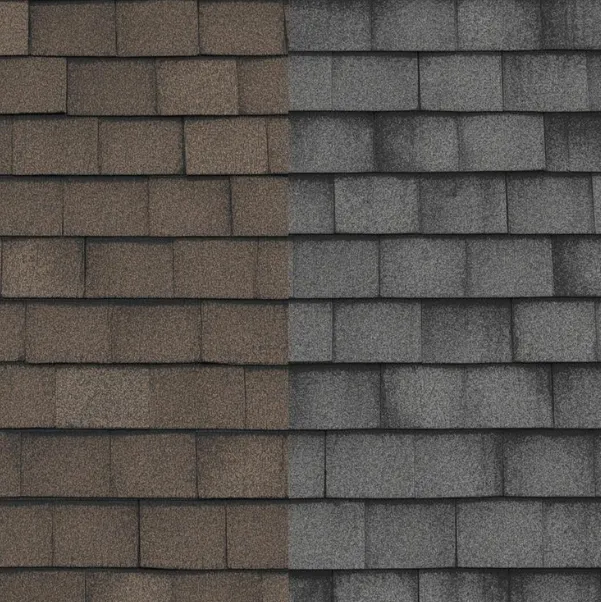
A. Material Type (Asphalt vs. Metal)
Asphalt: Generally the most affordable to repair. The material is widely available, and the labor required is common. Typical shingle repairs often cost between $350 and $1,500, depending on the size of the repair area.
Metal/Tile/Slate: These materials require highly specialized labor, tools, and material sourcing. Repairing a standing seam metal panel, for example, is far more complex and costly than replacing asphalt shingles, driving the repair cost significantly higher.
B. The Shingle Matching Challenge
This is a major hidden factor influencing the cost of repair versus replacement.
The Problem: Shingles age and weather (fade) differently. A new replacement shingle, even of the correct brand and color, will look visually different from the ten-year-old shingle surrounding it.
Cost Impact: If the contractor cannot achieve a reasonable match, your insurance policy may be triggered for a full roof replacement due to aesthetic non-uniformity—even if the physical damage is minor. While this means a higher total project cost (the replacement price), your out-of-pocket cost may only be your deductible, making it financially advantageous. A trustworthy contractor will advise you when repair is impractical due to matching issues.
Factor 4: Timing and Emergency Services
In Oklahoma, repairs often follow a major storm event, introducing premium pricing for immediate response.
A. The Emergency Callout
If you require immediate Emergency Roofing Services in Oklahoma City (e.g., after-hours tarping to prevent active leaks), the initial cost for the emergency service will be higher than a planned repair.
Cost Impact: Emergency tarping services typically range from $300 to over $1,000, depending on the complexity of the damage and the time of day. This initial cost is usually reimbursed by insurance if the damage is covered, but it is an immediate outlay.
B. High Demand During Storm Season
During peak storm season, demand for skilled labor skyrockets.
Cost Impact: While competitive local contractors try to maintain stable pricing, generalized labor costs often rise slightly due to the massive influx of work. Choosing a contractor who maintains a large, dedicated local crew, like Total Restoration, helps stabilize your labor cost.
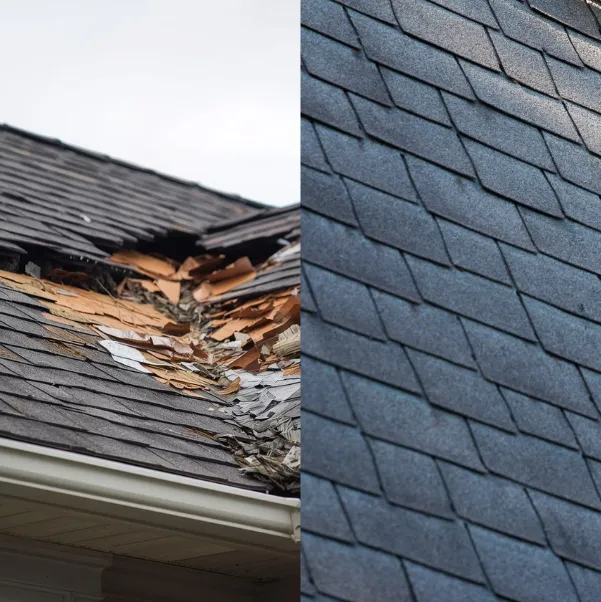
Factor 5: The Repair vs. Replacement Threshold (The 50% Rule)
A key factor in the final cost is the decision to repair or replace, which your contractor should help you determine.
A. The Financial Threshold
Many industry experts apply the 50% Rule: If the cost to repair the roof exceeds 50% of the cost of a full replacement, then replacement is the smarter financial decision.
Actionable Advice: If your roof is already over 15 years old and the repair cost is high, replacement offers a brand-new, warrantied system that protects your home for the next two decades, minimizing future repairs. Your contractor should provide a full replacement estimate to help you make this strategic comparison.
Transparency is the Key to Managing Repair Costs
To accurately answer What Factors Can Affect the Final Cost of a Roof Repair in Oklahoma City?, homeowners must look beyond the simple shingle count and demand transparency regarding the hidden variables.
Choose a contractor who:
Inspects for Hidden Damage: Estimates the cost of potential decking and insulation replacement.
Addresses Complexity: Clearly details the specialized labor required for flashing and complex areas.
Advises on Aesthetics: Provides honest advice on the risk of shingle matching and when a full replacement is the better claim strategy.
The final cost of a repair is manageable when the estimate is honest, comprehensive, and focused on long-term structural integrity rather than a temporary, low-cost fix.
Schedule Your Quality Roof Assessment Today.
Ready for real value? Simply fill out the form for a professional roof assessment and receive your honest, detailed quotefor any neededwork.
