Crisis Management 101: Emergency Roofing Services in Oklahoma City
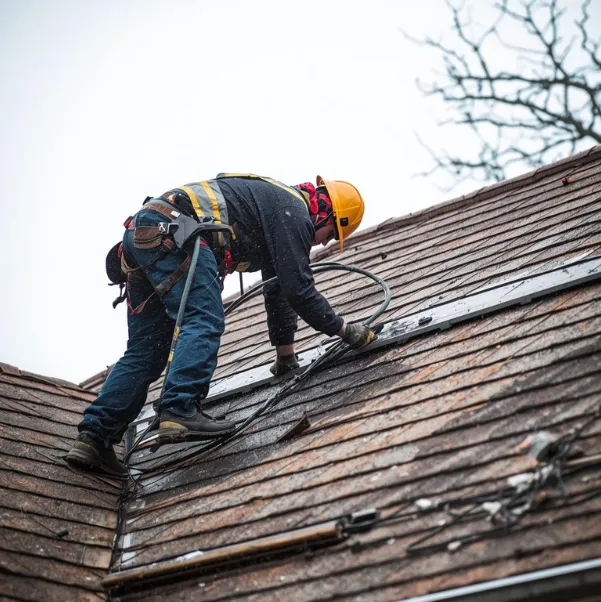
When an Oklahoma storm passes—leaving behind the signature trail of large hail, torn debris, and wind damage—the silence that follows is often shattered by the alarming drip of water inside your home. That moment demands immediate, decisive action. You need Emergency Roofing Services Oklahoma City, but you need the right kind of emergency service: one that prioritizes safety, minimizes structural loss, and acts as your direct advocate with the insurance company.
At Total Restoration, our unique perspective on emergency roofing is that the first 48 hours are the most critical, not for permanent repair, but for Damage Containment and Claims Fortification. We view emergency service as a specialized form of crisis management. A quick tarp job is temporary; the documentation and initial steps taken immediately after the damage occurs are permanent and will define the success of your entire restoration project.
This guide provides an actionable, authoritative breakdown of what you need to know, what steps you must take immediately, and what standards to demand from your emergency contractor to secure your property and your financial claim.
Step 1: Your Immediate Priority—Safety and Documentation
The first response to roof damage is critical. Resist the urge to fix anything permanently yourself. Focus entirely on safety and evidence.

1. Safety First, Always
What to Do: Ensure everyone is safe. Before you even look outside, check for downed power lines, broken glass, or structural movement. If you suspect any structural instability or have significant interior water damage near electrical fixtures, evacuate the area and call emergency services. Never climb onto a damaged roof yourself. Even a small amount of water or displaced debris can create a severe slipping hazard, and you may hide or worsen damage needed for the claim.
2. Immediate Damage Containment (Interior)
What to Do: Protect your belongings. Move furniture, electronics, and valuables away from leak points. Use buckets, plastic sheeting, and towels to catch water. This simple step minimizes your internal property loss, which is often easier to mitigate than the roof damage itself.
3. Fortify Your Claim with Evidence
What to Do: Before contacting anyone—insurance or contractor—document the scene. Take clear, time-stamped photographs and videos of:
The Interior Damage: Leaking ceilings, water stains on walls, damaged flooring, and ruined possessions.
The Exterior Damage (From the ground): Missing shingles, visible holes, dented gutters, and large debris on the roof.
Actionable Advice: Do not discard damaged personal property immediately. Your adjuster may need to inspect the damage to those items for your claim.
Step 2: The Emergency Call—Finding the Right Response
Once containment is underway, you need rapid, trustworthy Emergency Roofing Services Oklahoma City. This is where the risk of hiring a "storm chaser" is highest.
1. The Local Contractor Standard
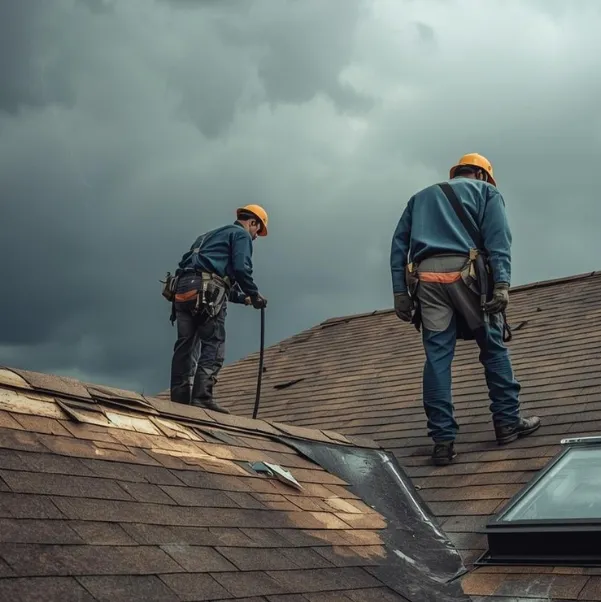
A true local emergency provider is focused on rapid containment and professional assessment, not on rushing you into a contract.
What to Demand:
24/7 Availability and Rapid Deployment: The emergency service must be capable of deploying a crew to your site within hours to perform necessary tarping.
Local Accountability: Demand proof of their permanent local address, valid Oklahoma Construction Industries Board (CIB) registration, and up-to-date Workers’ Compensation and General Liability Insurance. This guarantees that if a worker is injured during the emergency response, you are not held liable, and any additional property damage is covered. Storm chasers often lack these critical local protections.
Focus on Temporary Containment: The immediate goal is to install heavy-duty tarps or temporary patching (like roofing cement) to prevent further water intrusion. The emergency crew's job is to stop the leak and secure the site, not to perform permanent, rushed repairs.
2. The Dangers of the Low-Bid Storm Chaser
Be extremely wary of any individual who pressures you to sign a contract on the spot or who shows up uninvited offering a "special" deal.
Warning Signs to Avoid:
High-Pressure Tactics: Anyone telling you the deal expires today, or that your roof is about to collapse, is attempting to rush you past due diligence.
Asking for Large Upfront Cash Payment: Reputable emergency services will require minimal, if any, payment for the immediate tarping and will wait for insurance approval for the main repair. Never pay for the entire job upfront.
Vague or Missing Paperwork: Always get a written agreement, even for the emergency tarping, detailing the cost and the scope of the temporary work.
Step 3: Claims Fortification—From Tarp to Total Restoration
A crucial service offered by the Emergency Roofing Services Oklahoma City specialists is connecting the emergency fix to the permanent restoration and insurance claim process.

1. The Emergency Tarp as a Claims Asset
The emergency work itself is directly tied to your claim.
What to Expect:
Professional Documentation of Tarping: The contractor should provide you with a detailed invoice and photos of the professionally installed tarp. This documentation is essential for getting the emergency costs reimbursed by your insurance company.
Full Scope Assessment: While the emergency crew works, the project manager should be scheduling a full, forensic assessment for the permanent restoration. This assessment identifies all hail, wind, and collateral damage to ensure the final claim settlement is complete.
2. Navigating the Insurance Process
A true restoration specialist acts as your advocate from day one.
What to Expect:
Immediate Claim Guidance: The best emergency contractors guide you through the initial claim filing with your insurance company.
Code Compliance: They ensure that the scope of the final permanent repair includes all necessary Code Upgrades mandated by current Oklahoma building standards. These upgrades (such as adding more decking fasteners or Class 4 materials) prevent the insurance company from overlooking costs that are legally required to rebuild your roof safely.
Meeting the Adjuster: The top firms schedule and attend the adjuster meeting to present their forensic findings, guaranteeing that hidden damage—which often leads to denied claims—is recognized and covered.
3. The Path to Permanent Resilience
The emergency phase is just the beginning. The goal is a final roof that can withstand the next Oklahoma storm.
What to Demand: The repair contractor should recommend long-term solutions, such as Class 4 Impact-Resistant Shingles, to make your new roof more resilient than the one that failed. Choosing a superior material after a storm can lead to insurance premium discounts, turning your crisis into an opportunity for long-term savings and security.
When disaster strikes, having a trustworthy, locally committed partner for Emergency Roofing Services Oklahoma City is your best defense against both the weather and potential contractor pitfalls. Prioritize safety, document everything, and choose a specialist whose emergency response is backed by local accountability and claims expertise.
Schedule Your Quality Roof Assessment Today.
Ready for real value? Simply fill out the form for a professional roof assessment and receive your honest, detailed quote for any needed work.
