How Expert Local Roofing Services Insurance Claims Advocacy Secures Your Home
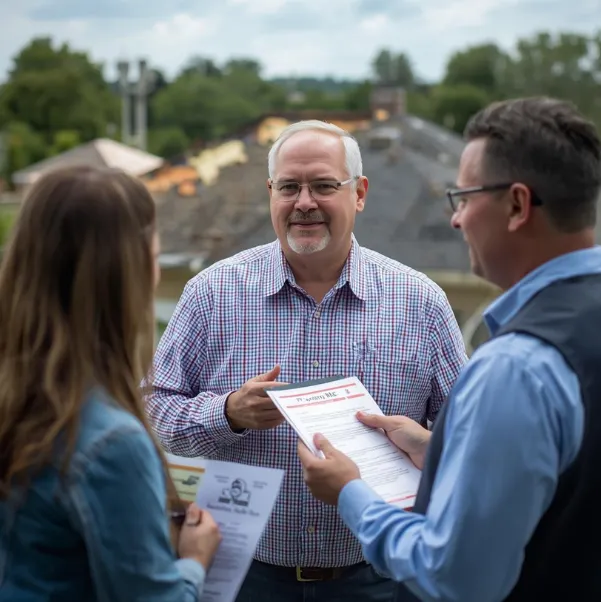
That moment when you step outside after a severe storm—a moment of relief that you and your family are safe—is often immediately followed by a feeling of dread as you look up at your roof.
It’s not just a layer of shingles or metal; it’s the most critical barrier protecting your entire home, your business, and everything you’ve worked for. When that barrier is compromised, the next steps are usually confusion, panic, and a looming battle with your insurance company.
Let’s be honest: dealing with a roof insurance claim can feel like navigating a maze blindfolded, especially when you’re already stressed out by the damage itself. You’re not just a policyholder; you’re a busy homeowner or business owner. You shouldn’t have to become an expert in roofing terminology, local building codes, and insurance law overnight.
The secret to turning that stress into a successful, fair outcome isn’t just having a great roof repair; it’s about having a proven, professional advocate by your side. This is where expert Local Roofing Services Insurance Claims support becomes invaluable.
This guide is designed to be your best friend through the process. We’ll walk through the entire journey, from the moment of damage to the final handshake, explaining exactly how a truly local, insurance-savvy roofing company can not only fix your roof but also manage the entire claim for you, ensuring you get every dollar you deserve. Let’s get started.
The Critical First 48 Hours: Your Damage Assessment and Mitigation
The period immediately following a storm is the most critical. Your actions in these first two days will set the precedent for the entire claim process.
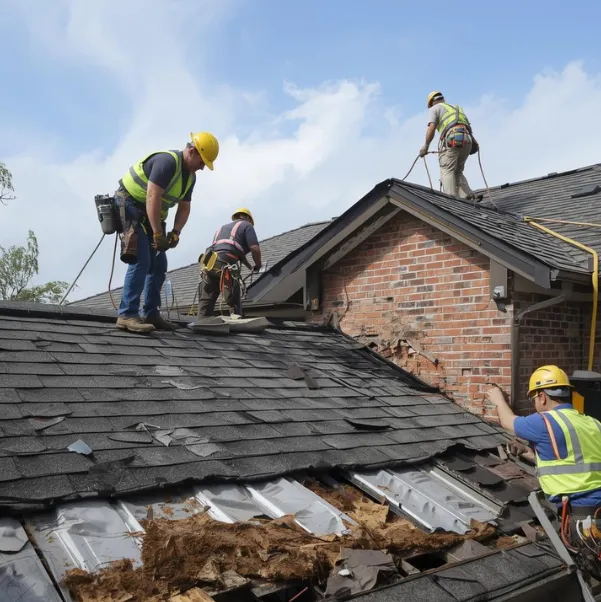
1. Safety First, Always
Before doing anything, ensure your property is safe. If you see downed power lines, structural compromise, or a major breach, call emergency services immediately. Never, ever attempt to climb a damaged roof. Leave the climbing and up-close inspection to a professional who has the safety equipment and training.
2. Document, Document, Document (From the Ground!)
While you shouldn’t get on the roof, you absolutely should document the damage from the ground. Use your phone to take high-resolution photos and videos of everything:
Missing, torn, or curled shingles.
Dents or "bruises" on shingles, gutters, or window screens (a clear sign of hail).
Debris on the ground or stuck on the roof.
Any interior damage (ceiling stains, wet carpet, leaks).
Capture both wide-angle shots to show context and close-ups to show detail.
3. The Duty to Mitigate: Temporary Repairs
Your insurance policy explicitly requires you to prevent further damage. This is called your "duty to mitigate." If you have an active leak, you need to call someone immediately to place a temporary tarp or cover. Failing to mitigate future water damage can lead to a partial or full claim denial. Keep all receipts for emergency repairs—they are typically reimbursable by your insurance company.
4. Calling Your Go-To for Local Roofing Services Insurance Claims Help
Before you even call your insurance company's 1-800 number, you should call your chosen roofing professional. Why? Because the expert inspection report before the claim is filed gives you an authoritative baseline. A professional Local Roofing Services Insurance Claims expert can conduct a detailed inspection and confirm if you have enough storm-related damage to warrant a claim that will exceed your deductible. This prevents you from filing minor "nuisance claims" that could potentially affect your premiums later.
Why Your Contractor Needs to Be Your Advocate, Not Just a Laborer

The biggest mistake homeowners and business owners make is thinking a roofing contractor is only hired for the physical repair work. When insurance is involved, their role shifts dramatically—they become your expert claim advocate.
1. The Professional Inspection vs. The Adjuster’s Inspection
An insurance adjuster’s job is to assess the damage from the insurance company’s perspective. While most adjusters are fair, they are typically generalists, not specialized roofing experts. They might miss subtle damage that an experienced roofer immediately recognizes.
The Contractor’s Role: Your chosen provider of Local Roofing Services Insurance Claims support will be physically present when the adjuster arrives. They will walk the roof with the adjuster, pointing out every point of damage, citing specific building codes, and ensuring the adjuster sees the full scope of loss, including things like soft metals (vents, flashing) that may have been dented by hail. This collaborative presence is the single best way to ensure your claim is fairly valued from the start.
2. Speaking the Language of Xactimate
Insurance companies use industry-standard software, primarily Xactimate, to create their scope of work and estimate the cost of repairs. This software determines the line items, material types, and labor costs they are willing to pay for.
The Advantage of Expertise: A specialized Local Roofing Services Insurance Claims contractor knows how to generate their own detailed Xactimate estimate. When your contractor's estimate speaks the exact same technical language as the adjuster’s, negotiations become a matter of fact (damage quantity, code requirements), not opinion (a high bid versus a low bid). This drastically simplifies and speeds up the process.
3. Fighting for the Full Replacement Cost (RCV vs. ACV)
Understanding the difference between Actual Cash Value (ACV) and Replacement Cost Value (RCV) is key to maximizing your payout.
ACV (Initial Check): This is the value of your damaged roof minus depreciation. This initial check is often small.
RCV (Final Check): This is the full cost to replace the roof with new materials. The insurance company holds the depreciation until the work is completed.
A reliable roofing partner ensures that the insurance company covers all necessary line items, allowing you to recover the full RCV amount (minus your deductible), meaning you pay the minimum amount out of pocket.
Navigating the Policy Details: Supplements and Code Upgrades
The real value of professional Local Roofing Services Insurance Claims assistance shines when the initial settlement is less than the actual cost of repair. This is where supplements and building codes come into play.
1. The Crucial Role of Building Code Compliance
This is one of the most common reasons claims are initially underpaid. Your existing roof may not be up to current local codes. If local code dictates that a new shingle system must include features like ice-and-water barriers, specific ventilation, or higher-rated materials, the insurance company is typically required to pay for these upgrades if you have "Ordinance and Law" coverage in your policy.
Contractor Action: A professional roofer knows the specific codes for your local municipality. They will cite the exact code section that requires the upgrade (e.g., adding a drip edge, increasing ventilation, or installing certain underlayment) and submit a formal request to the insurance company to include these costs in the settlement. Without this code expertise, you could be left paying for mandatory upgrades yourself.
2. The Supplemental Claim
It is extremely common for an initial insurance estimate to be too low. Why? Because the adjuster can only estimate what they can see. Once the tear-off begins, hidden damage is often discovered.
The Hidden Damage: This could be rotted decking, compromised flashing, or structural issues that were not visible beneath the surface.
The Solution: Your roofing partner immediately documents the newly discovered damage, halts the affected portion of the work, and submits a Supplemental Claim to the insurer. They provide the necessary photo evidence, the Xactimate line items for the new damage, and the justification. A seamless supplemental process is the hallmark of effective Local Roofing Services Insurance Claims management, ensuring the job is done right without you having to fight the insurance company mid-project.
The Difference a Truly Local Roofing Service Makes
After a major storm, you will see a rapid influx of "storm chasers"—out-of-state contractors who follow the weather, undercut prices, and often disappear once the insurance checks clear. Choosing an established, local company offers a massive advantage in the Local Roofing Services Insurance Claims process.
1. Understanding Local Climate and Materials
A local contractor knows that a roof in Oklahoma, for example, needs to withstand intense hail and rapid temperature swings. They recommend and use materials specifically rated for your regional weather conditions, which leads to a more durable, longer-lasting repair that is less likely to result in future claims. Storm chasers often default to the cheapest, most readily available materials, regardless of local performance history.
2. Physical Accountability and Warranty
A local company has a physical office and a reputation in your community that they must protect. If you have a warranty issue five years down the line, they are still there to answer the phone. This accountability is priceless. Out-of-state companies often vanish, leaving you with a compromised warranty and nowhere to turn.
3. Familiarity with Local Adjusters and Agencies
Local Roofing Services Insurance Claims specialists build professional relationships with the local insurance agents and field adjusters. While they are still fiercely advocating for you, these established relationships often facilitate smoother, faster communications and a more cooperative adjustment process. They know the common pitfalls and expectations of the local market, making the entire claims experience significantly less abrasive.
The End Game: Finalizing the Claim and The Depreciation Check
The finish line isn't when the last shingle is laid; it's when the final check clears. This final step is often administrative, but crucial.
1. The Final Invoice and Paperwork
Once your Local Roofing Services Insurance Claims expert has completed the work—including all necessary supplements and code upgrades—they will generate a final invoice that matches the approved, final scope of work. They send this invoice, along with final photos of the completed job, directly to your insurance company.
2. Release of Recoverable Depreciation
Upon verification of completion, the insurance company releases the final check—the recoverable depreciation. This is typically the largest sum of money and closes out the claim. A reliable partner ensures this final paperwork is submitted quickly and accurately to avoid any delays in receiving your full RCV payout.
Key Takeaways for a Smooth Insurance Claim
Call the Roofer First: Get a professional damage assessment before you file the claim.
Insist on On-Site Advocacy: Your contractor must be present for the adjuster's inspection.
Understand the Codes: A good roofer fights for code-mandated upgrades, ensuring you get a safer, compliant roof.
Choose Local: Stick with a licensed, insured, and accountable local company with a proven track record in Local Roofing Services Insurance Claims
.Dealing with roof damage and the subsequent insurance claim is a significant undertaking. You deserve a partner who can manage the complexity and protect your best interests, allowing you to focus on your business and your life.
Ready to partner with a roofing company that values integrity, quality, and customer satisfaction? Look no further than Total Restoration OK. We are your go-to source for reliable Commercial Roofing services in Oklahoma City, and we're proud to be one of the most trusted Roofing Companies in Oklahoma. We specialize in providing expert Local Roofing Services Insurance Claims help, ensuring a comprehensive, stress-free restoration.
Call us now at (405) 209-1344 or visit our website to schedule your roofing installation project and experience real value, honest assessments, transparent pricing, and long-lasting results.
Schedule Your Quality Roof Assessment Today.
Ready for real value? Simply fill out the form for a professional roof assessment and receive your honest, detailed quote for any needed work.
