Maximizing Reimbursement: Roofing Materials that Offer the Best Insurance Benefits for Oklahoma Homes
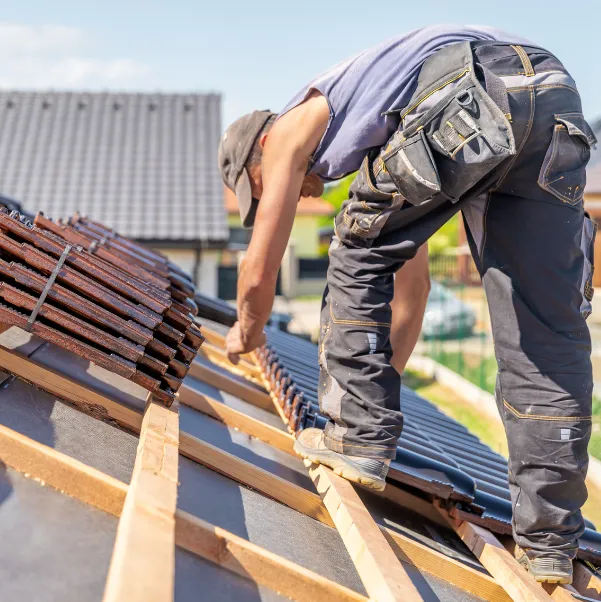
For homeowners in Oklahoma City, reviewing roofing materials isn't about choosing a color; it’s about choosing a storm defense strategy. We live in "Hail Alley," a region where the average asphalt shingle roof is functionally exhausted years before its official warranty expires, simply because of repeated, brutal weather cycles.
At Total Restoration, we approach Oklahoma City Roofing Material Reviews through a unique lens: The Total Cost of Ownership. This includes the upfront cost, the expected lifespan, and, most critically, how the material affects your insurance premiums and your ability to recover quickly and completely after the inevitable next storm.
This guide will provide an authoritative, no-nonsense review of the top material contenders for Oklahoma homes, analyzing each option not just for durability, but for its strategic financial return in a high-risk climate.
Material Review Category 1: Asphalt Shingles
Asphalt is the default roofing material across America, and for good reason: it is affordable, versatile, and easy to install. However, the performance range within this category is vast, and choosing the wrong type is the number one mistake Oklahoma homeowners make.
A. The Obsolete Choice: 3-Tab Shingles
The Verdict: Skip them entirely. Three-tab shingles are the cheapest option, but their time in Oklahoma City is over. They have a low wind resistance rating, often failing at wind speeds common in a minor thunderstorm, and offer virtually no resistance to hail impact. Their short lifespan and high vulnerability mean they function as a perpetual liability, practically guaranteeing you a future claim and a roof replacement within 10 to 15 years. This is not affordability; it’s deferred expense.
B. The Minimum Standard: Architectural (Dimensional) Shingles
The Verdict: The minimum starting point—but needs an upgrade. Architectural shingles are layered and heavier than three-tab, providing better wind resistance and a much-improved aesthetic. They offer a good balance of cost and performance for moderate climates. For Oklahoma, however, standard architectural shingles still have a key weakness: they are highly susceptible to bruising and granule loss from even moderate hail (1 inch or less). While they look better, they often fail the impact resistance test, leading to the gradual, uninspected water damage that erodes your home’s structural integrity.
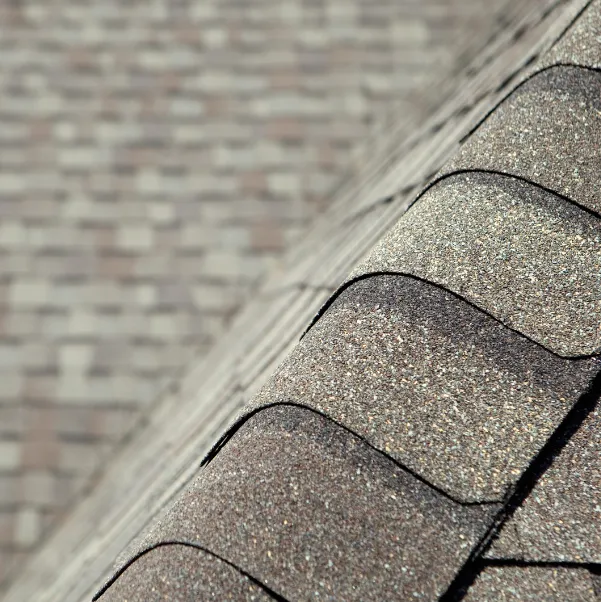
C. The Strategic Winner: Class 4 Impact-Resistant (IR) Shingles
The Verdict: The mandatory choice for asphalt. When conducting Oklahoma City Roofing Material Reviews, the Class 4 IR shingle is the asphalt category winner. These shingles have passed the UL 2218 test, meaning they withstand the impact of a 2-inch steel ball dropped from 20 feet, simulating large hailstones.
Financial Benefit: This is where the payback begins. Many Oklahoma insurance providers offer significant premium discounts (often 10% to 25%) for a verified Class 4 installation. This discount alone can offset the higher material cost over a short period.
Protection: They utilize modified polymers (like SBS rubberizing technology) for added flexibility and impact absorption. They stand up better to repeated hail cycles than standard asphalt.
Longevity: While still asphalt (expected lifespan of 25 to 30 years), the Class 4 rating protects those years from the ravages of storm damage, making the warranty more meaningful.
The Restoration View: If budget demands asphalt, the Class 4 shingle is the only option we recommend. It stabilizes your insurance premiums and provides genuine protection against our most common threat.
Material Review Category 2: Synthetic and Composite Systems
This category includes engineered products designed to mimic the high-end look of materials like slate or wood shake while offering superior impact and weather resistance.
A. Polymer and Synthetic Shingles
The Verdict: Exceptional performance; high initial investment. These materials are made from engineered polymers, often containing recycled materials. They are inherently flexible and incredibly tough.
Protection: They typically carry a Class 4 rating as a baseline and are highly resistant to cracking and splitting from thermal shock (the rapid temperature swings common here).
Aesthetic: They convincingly replicate the high-end appearance of slate or cedar shake without the weight, fragility, or maintenance demands of the natural materials.
Lifespan: These systems can last 40 to 50 years and are highly resistant to UV degradation, maintaining their color and integrity much longer than asphalt.
The Restoration View: Polymer is a premium product ideal for homeowners seeking maximum curb appeal coupled with maximum protection. Their resilience means fewer claims and minimal maintenance, translating to low long-term ownership costs. Ensure the installer is certified for the specific brand, as precise installation is crucial for maximizing the long warranty.
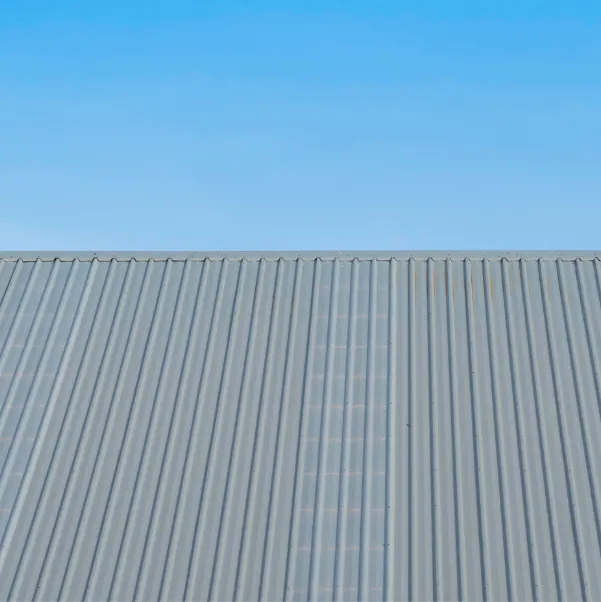
Material Review Category 3: Metal Roofing
Metal roofing systems, primarily standing seam, are rapidly gaining popularity in Oklahoma for their sheer ability to withstand the extreme conditions that destroy other roofs.
A. Standing Seam Metal
The Verdict: The ultimate long-term investment and fortress. Standing seam metal features concealed fasteners and interlocking panels, creating a unified roof plane that is highly resistant to both water penetration and wind uplift.
Wind Resistance: Metal roofing systems are often rated to withstand winds of 140 mph or higher, making them unparalleled in terms of defense against tornadic gusts and straight-line winds.
Hail Performance: While large hail can dent metal (a cosmetic issue), it is highly unlikely to puncture it, meaning the structural integrity and watertight seal remain intact. This prevents the costly, slow water intrusion common with bruised asphalt.
Longevity & Energy Efficiency: Metal roofs can last 50 to 70 years, essentially a lifetime. Furthermore, their high reflectivity significantly reduces the summer heat load, leading to substantial savings on cooling bills—a measurable return on investment in the OKC summer.
The Restoration View: Metal is the most expensive option upfront, but it's the most affordable over a 50-year horizon because it eliminates the replacement cycle and minimizes catastrophic claims. It is the best option for homeowners committed to their property for the long term and prioritizing absolute security. The key to success is pairing the high-quality material with expert installation to ensure perfect sealing at all complex flashing points.
Material Review Category 4: Tile and Slate
Though visually stunning, these materials must be evaluated realistically against the primary threat in Oklahoma.

A. Concrete and Clay Tile
The Verdict: High wind resistance, but vulnerable to hail. Tile is incredibly durable against sun, fire, and wind. However, tile’s rigidity is its weakness in Hail Alley. Large hail can fracture tiles, leading to complex and expensive spot repairs. While beautiful and long-lasting (50+ years), the frequent risk of hail damage makes them a difficult recommendation unless the property is in a geographically low-risk micro-zone.
B. Natural Slate
The Verdict: Too expensive and too fragile for the impact risk. Slate is the longest-lasting roofing material, but its extreme weight requires structural reinforcement, and its high cost is compounded by its brittleness. A severe hailstorm can cause widespread cracking, turning a century-long investment into a major repair project overnight.
Guaranteeing Material Performance
The best material is useless without a professional installation system. Our experience conducting thousands of Oklahoma City Roofing Material Reviews after storms shows that the failure is often not the material, but the supporting system.
Code-Compliant Installation: Every installation, regardless of material, must meet or exceed Oklahoma’s specific building codes for high-wind environments, including the proper fastener count and flashing standards.
Ventilation System: Inadequate attic ventilation bakes the roof from the inside, prematurely aging any material and voiding manufacturer warranties. We ensure optimal airflow is established with Ventilation Upgrades to protect your investment.
Advanced Underlayment: We insist on high-quality synthetic underlayment and specialized ice and water shield in vulnerable areas, providing a crucial secondary watertight barrier that acts as an insurance policy beneath the primary roofing material.
Workmanship Warranty: The best material comes with a manufacturer's warranty, but the best protection comes from a local contractor's workmanship warranty. Choose a company that offers a multi-year, locally-enforceable guarantee that stands behind the installation quality, especially for complex materials like metal or polymer.
To find the true Oklahoma City Roofing Material Reviews that matter, look beyond the glossy brochure and assess the long-term financial stability and storm resilience the material provides. For maximum value, choose Class 4 asphalt as the minimum, or invest in metal for the lifetime solution.
Schedule Your Quality Roof Assessment Today.
Ready for real value? Simply fill out the form for a professional roof assessment and receive your honest, detailed quote for any needed work.
