Navigating the Canopy: A Comprehensive Guide to Roofing Regulations in Oklahoma City
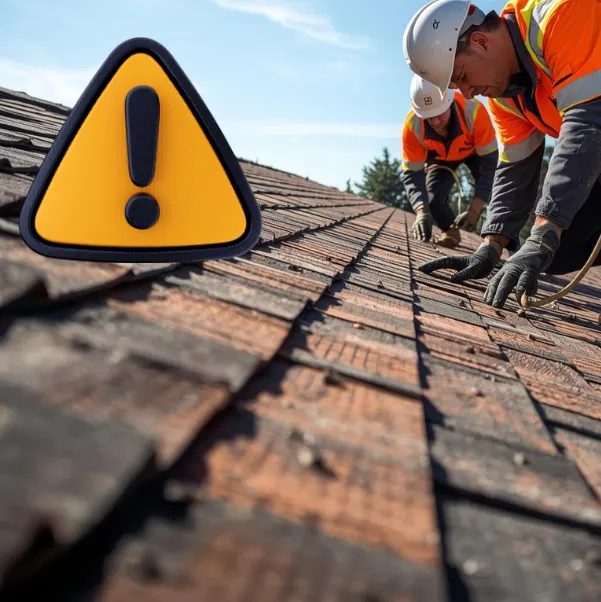
For most business owners and homeowners in Oklahoma City, the roof is a silent partner—an essential but often overlooked structural component that only demands attention when something goes wrong. However, the regulatory landscape surrounding your roof is anything but silent. In 2025, Roofing Regulations in Oklahoma City have undergone significant shifts designed to protect property owners from low-quality craftsmanship and the extreme weather patterns that define our region.
Understanding these laws is not just about staying compliant; it is about ensuring that your building is resilient, your insurance remains valid, and your investment is protected by a standard of excellence. At Total Restoration, we do not just follow these rules; we treat them as the baseline for our craftsmanship. This guide will walk you through the essential codes, permit requirements, and legal standards that every Oklahoma City property owner needs to know to navigate the complexities of local construction law.
The 2025 Mandate: Why Permits Are Now Non-Negotiable
The most significant recent change in the local landscape arrived with the updated municipal enforcement strategies of 2025. Previously, Oklahoma City was sometimes viewed as lenient regarding re-roofing permits for smaller residential structures. That has changed as the city seeks to crack down on unlicensed activity and ensure consumer protection.
Today, the City of Oklahoma City requires a formal re-roofing permit for any project on a single-family dwelling or duplex where the scope of work exceeds 500 square feet. This move was specifically designed to eliminate the threat posed by tailgate contractors—unregistered individuals who often descend on neighborhoods after a hailstorm, perform sub-standard work, and vanish before a leak ever appears.
When a permit is issued, it creates a chain of accountability. The permit process requires the contractor to submit photographic evidence of the project at multiple stages. This includes documentation of the bare decking, the underlayment and flashing installation, and finally, the finished product. This transparency ensures that shortcuts cannot be taken on the components that the homeowner can no longer see once the shingles are laid down.
Furthermore, the permit triggers an inspection layer. Once a permit is pulled, the city provides an extra set of eyes. A municipal inspector reviews the digital or physical record of the work to ensure it meets the currently adopted building codes. This provides you with a roofing receipt that proves your home is up to standard, which is an invaluable asset when it comes time to sell your home or renew your homeowners insurance policy.
It is also important to note the distinction between a simple re-roof and structural alterations. If your roofing project involves more than just swapping shingles—such as replacing rafters, ridge beams, or altering the pitch or roofline—you must obtain a full building permit. These projects often require engineered specifications to ensure the structure can handle the specific load-bearing demands and uplift forces of the high-wind environment in Oklahoma.
Building for the Alley: Wind and Impact Standards
Oklahoma City sits in a unique geographic crosshair. Because we face both hurricane-force straight-line winds and high-velocity tornadic activity, our building codes are among the most stringent in the country regarding uplift resistance. Roofing Regulations in Oklahoma City are specifically tailored to the reality of living in Tornado Alley.
Under these regulations, asphalt shingles must comply with specific ASTM standards for wind resistance. In many parts of the metro area, roofs must be engineered to withstand nominal design wind speeds exceeding 110 miles per hour. This is not just a suggestion; it is a code requirement that dictates how many fasteners must be used per shingle and the specific placement of those fasteners.
One of the most critical code updates focuses on the foundation of your roof: the decking. The city now strictly defines a solidly sheathed deck as one made of structural panels or sawn lumber without gaps, warping, or rot. If your current roof is built on spaced slat sheathing, which is common in many older homes in the historic districts of Oklahoma City, modern code often requires the installation of new OSB or plywood decking before shingles can be applied. This ensures the fasteners have the holding power necessary to keep the roof attached during a severe wind event. Without this solid base, the wind can easily catch the underside of the shingles and peel them away like the skin of an orange.
Moisture Barriers and Ice Dam Protection
While Oklahoma is primarily known for its heat and wind, the winter freeze-thaw cycles create a specific hazard known as ice damming. When snow melts and refreezes at the eaves, it can force water upward and under your shingles. The local building codes have evolved to address this specific vulnerability.
Modern Oklahoma City residential code, which is based on the International Residential Code with specific local amendments, mandates the installation of an ice barrier. This is typically a self-adhering polymer-modified bitumen sheet that creates a watertight seal. The regulations require that this barrier extend from the lowest edges of all roof surfaces to a point at least 24 inches inside the exterior wall line of the building.
This creates a secondary waterproof seal that prevents back-flow water from entering your soffits and attic space. For homeowners, this means that even if an ice dam forms during a rare Oklahoma blizzard, the structural wood of your home remains dry. At Total Restoration, we see many older homes that suffer from interior water damage simply because they were built before these protective moisture barrier regulations were put into place.
Commercial Roofing: Endorsements and Liability
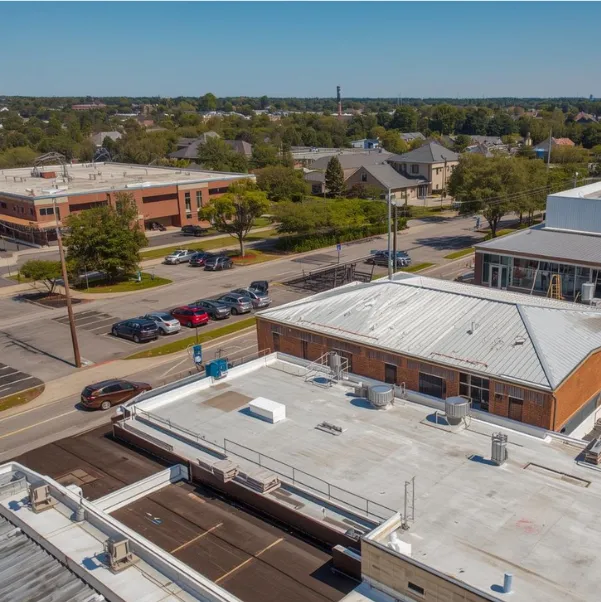
If you own a commercial property, the regulatory bar is even higher. Roofing Regulations in Oklahoma City distinguish sharply between residential and commercial work, and for good reason. Commercial structures often feature flat roofs with complex drainage and chemical requirements that differ significantly from a standard sloped residential roof.
In the state of Oklahoma, a roofing contractor must hold a specific Commercial Endorsement from the Construction Industries Board to work on non-residential structures. This is a critical distinction that many property owners overlook. Obtaining this endorsement requires the contractor to pass an advanced trade exam and maintain significantly higher levels of liability insurance.
The financial protections required by law are also tiered. While a residential contractor might only be required to carry 500,000 dollars in liability insurance, a commercial contractor must maintain a minimum of 1,000,000 dollars. For a business owner, hiring a contractor without this endorsement or the proper insurance levels is a major liability risk. If an accident occurs or a massive leak damages expensive commercial inventory, an under-insured contractor may not have the resources to make the situation right. Total Restoration maintains all necessary state registrations and endorsements, ensuring that your commercial project is backed by the required legal and financial protections.
The Role of Attic Ventilation in Local Code
A roof is not just a lid; it is a breathing system. One of the most frequently cited violations in Roofing Regulations in Oklahoma City involves inadequate ventilation. The code requires a specific ratio of net free ventilating area to the space being ventilated.
In our climate, where attic temperatures can soar to 150 degrees Fahrenheit, proper ventilation is essential for more than just comfort. It is a code requirement because heat and moisture trapped in an attic will cause shingles to blister and the roof deck to rot. When we perform an inspection, we often find that previous contractors ignored ventilation codes to save on costs, effectively cutting the lifespan of the roof in half. Ensuring your roof meets these ventilation standards is part of the legal requirement for a final city sign-off on any permitted roofing project.
The Total Restoration Standard: Beyond Compliance
Navigating the various Roofing Regulations in Oklahoma City can be an overwhelming task for a property owner, but you do not have to do it alone. We view building codes as the absolute minimum standard, not the ultimate goal. Our team handles the entire regulatory lifecycle of your project, from pulling the initial permits with the city to coordinating the final municipal inspection.
Because Oklahoma consistently ranks at the top for hail damage frequency, we often recommend materials that exceed code requirements. For example, while the city code does not strictly mandate Class 4 Impact-Resistant shingles for every home, we strongly advocate for them. Many local insurance providers offer significant premium discounts, sometimes up to 30 percent, for homeowners who choose this superior level of protection. By choosing materials that go beyond the legal minimums, you are not just following the law; you are making a smart financial decision.
Furthermore, we take the city's documentation requirements very seriously. By following the new photographic submittal requirements to the letter, we provide you with a comprehensive digital health record of your roof. This documentation is invaluable if you ever need to sell your property or file a future storm damage claim. It serves as objective proof that the roof was installed correctly, used the materials promised, and was inspected and approved by a neutral third party.
Ensuring Your Roof is Code-Compliant
The regulatory environment in Oklahoma City is designed to protect the property owner, but it only works if you hire a contractor who respects the process. A contractor who offers to skip the permit or claims that a permit is not necessary for a full replacement is a contractor who is asking you to assume all the legal and physical risk.
Choosing a partner who is intimately familiar with the specific nuances of Roofing Regulations in Oklahoma City ensures your project moves forward without stop-work orders, legal delays, or failed inspections. It ensures that your warranty is valid and that your home is prepared for whatever the Oklahoma sky has in store.
Total Restoration is committed to being a leader in regulatory education and compliance. We believe that by raising the bar for ourselves, we raise the bar for the entire Oklahoma City community. Whether you are managing a large commercial facility or a historic residential home, we have the expertise to ensure your roof is legal, safe, and built to last.
Schedule Your Quality Roof Assessment Today.
Ready for real value? Simply fill out the form for a professional roof assessment and receive your honest, detailed quote for any needed work.
