The Business Continuity Blueprint: Best Roofing Options for Commercial Buildings in Oklahoma City
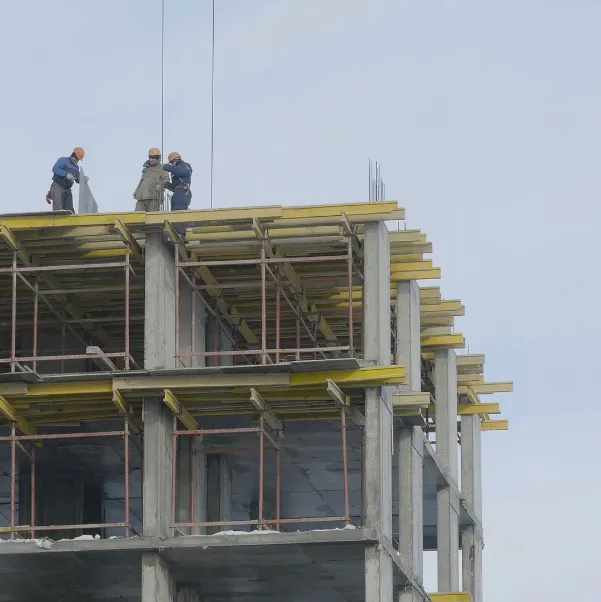
For commercial property owners and facility managers in Oklahoma City, a roof is far more than just shelter. It is a strategic asset that directly impacts your bottom line, dictates your operational uptime, and determines the success of your insurance recovery after a storm.
When you seek the Best Roofing Options for Commercial Buildings, you're really looking for maximum resiliency and minimum disruption. At Total Restoration, our unique perspective is centered on this idea: we don't just install a membrane or metal panel; we install a system engineered for continuous operation, even when the Oklahoma weather is at its worst. We focus on materials that not only resist hail and high winds but also simplify the inevitable commercial flat roof repair process and maximize your long-term return on investment (ROI).
This comprehensive guide breaks down the top choices for commercial roofing in the OKC area, analyzed through the lens of business continuity, claims recovery, and ultimate longevity.
The Commercial Roof Threat: Resiliency Above All Else
Commercial flat and low-slope roofs face unique challenges here in Oklahoma, distinct from residential systems. They often have high-stress elements like rooftop equipment (HVAC, vents), heavy foot traffic for maintenance, and large surface areas exposed to extreme elements.
The Oklahoma Commercial Adversaries
Massive Hail Impact: Hail stones put tremendous strain on single-ply membranes (TPO, EPDM, PVC). The system must withstand this impact without puncturing or causing internal layers to separate, which leads to slow, undetected leaks.
UV Degradation and Heat Load: Oklahoma’s intense summer sun subjects flat roofs to relentless UV exposure. Systems must be highly reflective to reduce the internal heat load on the building and prevent the material from breaking down prematurely.
Wind Uplift and Scouring: High winds create strong negative pressure (uplift) across vast commercial roof planes. The fastening method (adhered, mechanically attached, or ballasted) is just as important as the membrane itself in preventing catastrophic failure.
The Best Roofing Options for Commercial Buildings in this climate are those engineered to specifically mitigate these three threats while maintaining ease of emergency commercial repair access.
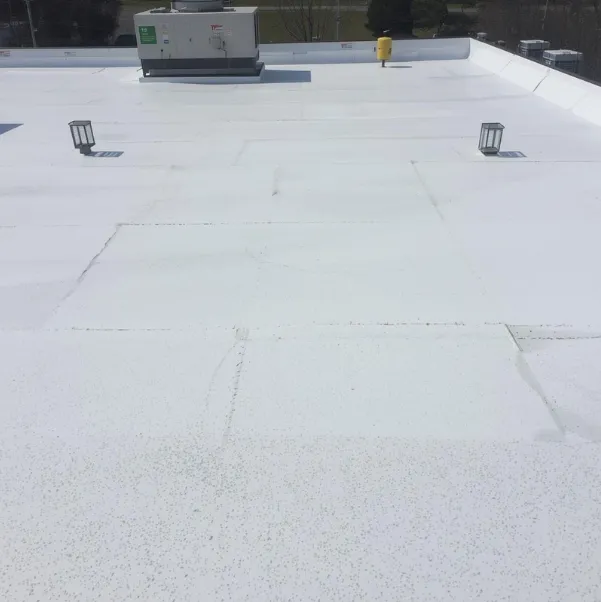
Option 1: TPO (Thermoplastic Polyolefin) Roofing Systems
TPO is the reigning champion of modern commercial roofing, primarily due to its balance of performance, affordability, and energy efficiency.
Why TPO Works in OKC
TPO is a single-ply, highly reflective membrane. In Oklahoma’s hot climate, the white surface is a major asset because it dramatically reflects UV rays. This process, known as the "cool roof" effect, substantially reduces the temperature inside the building, leading to significant savings on HVAC energy consumption—a vital factor for business owners looking to control operating costs.
TPO membranes are typically heat-welded at the seams. This means the seams are chemically fused together, creating a watertight bond that is often stronger than the membrane itself. This heat-welded strength offers superior protection against water intrusion, which is essential for large, low-slope roofs that may experience ponding after heavy storms.
Key Considerations for TPO
Affordability: TPO is generally the most budget-friendly of the three single-ply membrane options, making it a popular choice for large-scale Commercial Roofing Services projects.
Puncture Resistance: While generally robust, TPO's puncture resistance can vary by manufacturer. High-traffic roofs should opt for a thicker membrane (e.g., 60-mil or 80-mil) to ensure long-term durability against maintenance crews or falling debris.
Quality Variance: Because TPO is a newer technology, the long-term performance can vary widely between brands. Choosing a reputable commercial roofing repair specialist with a proven track record of using high-quality, tested TPO products is crucial for achieving the full 20-30 year lifespan.
The Restoration Perspective on TPO
TPO’s reflectivity and strong seams translate directly into long-term business continuity by reducing energy costs and leak potential. After a storm, TPO damage is often visible and easily documented for insurance claims, simplifying the recovery process.

Option 2: EPDM (Ethylene Propylene Diene Monomer) Roofing Systems
EPDM, often referred to as "rubber roofing," is one of the most established and historically reliable Roofing Options for Commercial Buildings globally.
Why EPDM Works in OKC
EPDM is a synthetic rubber known for its exceptional flexibility, even in extreme cold. While Oklahoma doesn't face the deep freeze of the North, this flexibility allows the membrane to adjust easily to structural movement and thermal contraction without cracking—a key factor in preserving roof integrity over decades.
The material has a long and successful track record, proving its resistance to UV radiation and ozone exposure for over 30 years or more. It is also remarkably easy to repair; minor punctures can be quickly addressed with simple patches and adhesives, minimizing downtime and emergency commercial repair costs.
Key Considerations for EPDM
Heat Absorption: Standard EPDM is black, meaning it absorbs solar heat, which can increase cooling costs compared to white TPO or PVC. White EPDM options are available to mitigate this heat gain, but they tend to be less common.
Seam Vulnerability: EPDM seams are typically sealed with special tapes or adhesives, not heat-welded like TPO or PVC. Over time, these adhesive seams can be a weak point, requiring diligent maintenance and inspection to prevent slow degradation and leaks.
Puncture Risk: EPDM is generally more susceptible to punctures from sharp objects than TPO or PVC, especially on roofs with high equipment density or frequent maintenance checks.
The Restoration Perspective on EPDM
EPDM is favored for large, complex roofs due to its historical reliability and ease of installation over expansive surfaces. Its resilience to chemical runoff and UV stability means it is a safe, proven choice. However, the adhesive seams require a more rigorous commercial roof maintenance schedule to ensure the full lifespan is achieved.
Option 3: Standing Seam Metal Roofing
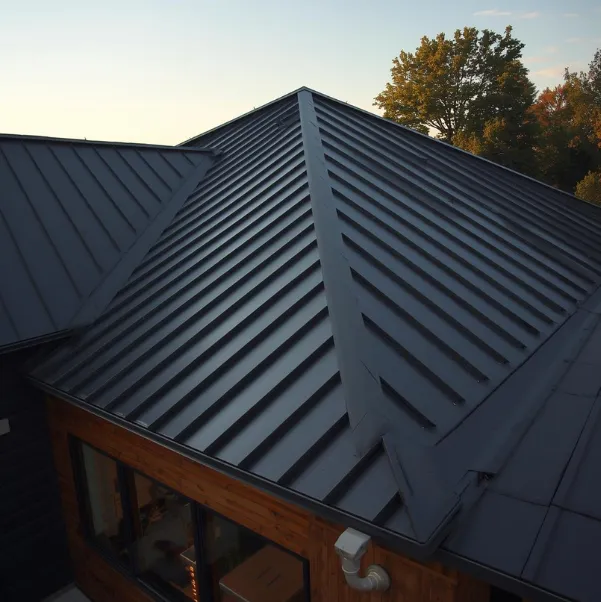
While most common on pitched residential properties, metal is an increasingly popular and highly strategic choice for low-slope commercial buildings, particularly due to its unparalleled durability against Oklahoma’s two main threats: hail and wind.
Why Metal Works in OKC
The material’s strength and design make it virtually impervious to high wind uplift and non-catastrophic hail impact. Standing seam metal is installed with concealed fasteners, meaning the primary seal points are protected from UV exposure and direct weather, maximizing longevity.
Crucially, metal roofing offers unmatched longevity—often 40 to 60 years—meaning the investment potentially outlasts the business’s tenancy or even ownership. This durability translates directly into fewer insurance claims over the property's lifetime.
Key Considerations for Metal
Upfront Cost: Metal is the most expensive material choice initially, both for the material itself and the specialized labor required for complex flashing and fabrication.
Acoustics: Without proper insulation beneath the panels, metal can be loud during heavy rain or hail—a consideration for businesses where quiet operation (e.g., medical clinics, offices) is essential.
Specialized Installation: Metal systems require a specialized contractor proficient in metal fabrication and complex seam installation. Poor installation at the flashing points can lead to rapid, difficult-to-locate leaks.
The Restoration Perspective on Metal
Metal systems are the ultimate investment in business continuity. By minimizing the frequency of major damage events, metal protects business owners from the disruption and rising premiums associated with multiple storm damage roof repair claims. The energy efficiency from reflection is a strong bonus, maximizing the ROI over the system’s long life.
Maximizing Your Investment
Regardless of which system you choose—TPO, EPDM, or Metal—the quality of the commercial roof repair specialist and their approach to the entire roofing ecosystem is paramount. At Total Restoration, we focus on three core areas that turn a simple installation into a comprehensive restoration project.
1. The Proactive Substrate Check (The Foundation of Durability)
A cheap contractor will simply lay the new membrane over the old insulation or decking. A restoration expert meticulously checks the substrate (the underlying layers). We look for saturated insulation or compromised decking beneath the old roof. Leaving wet insulation in place is a guarantee of future failure, reduced energy efficiency, and potential mold growth. We ensure the decking is structurally sound and the insulation is properly layered to support the new system, maximizing thermal efficiency and stability.
2. Comprehensive Insurance Claims Management
In the commercial sector, managing insurance claims and commercial roofing is highly complex. Insurance companies require meticulous, industry-standard documentation. Our specialists work as your advocate, providing:
Forensic Damage Reports: Detailed photo evidence and measurements of damage, using adjuster-recognized software.
Code Compliance: Ensuring that all necessary costs for bringing the new system up to current Oklahoma building codes are included in the claim settlement.
Negotiation: Meeting the adjuster on-site to ensure all storm damage—including hard-to-spot membrane fatigue or sub-surface damage—is recognized and covered, maximizing your recovery funds.
3. The Preventive Maintenance Protocol
Even the Best Roofing Options for Commercial Buildings require vigilance. Our restoration approach includes recommending a biannual commercial roof maintenance program. This protocol focuses on:
Seam Integrity: Checking TPO/PVC heat welds and EPDM adhesive seams for stress or separation.
Penetration Points: Inspecting and re-sealing flashing around HVAC units, pipes, and vents—the most common points of failure on commercial roofs.
Drainage Systems: Clearing scuppers and internal drains to prevent ponding water, which severely degrades all flat roofing materials.
Choosing a commercial roofing partner in Oklahoma City means choosing a company that understands the unique pressures of our climate and the critical need for operational stability. By prioritizing resilient materials and a comprehensive, restoration-focused approach, you ensure your roof remains a strategic asset, not a perpetual liability.
Schedule Your Quality Roof Assessment Today.
Ready for real value? Simply fill out the form for a professional roof assessment and receive your honest, detailed quote for any needed work.
