The Financial Shield: Exploring Roofing Financing Options in Oklahoma City

In Oklahoma City, a roof replacement is often an urgent necessity, not a planned home improvement project. A sudden hail storm or high wind event can leave a homeowner facing a major expense—sometimes just the deductible, and sometimes the entire cost if the damage doesn't meet the insurance claim threshold. This immediate financial pressure forces the question: Are There Financing Options Available for Roofing Services in Oklahoma City, and What Do They Cover?
At Total Restoration, we approach financing as a crucial component of crisis management. Our unique perspective is that the best financing option is the one that allows you to secure the highest quality, most resilient material immediately, without waiting or settling for a lesser product. Financing should bridge the gap between unexpected damage and securing your long-term property value.
This guide provides a comprehensive breakdown of the most common and strategic financing avenues available, ensuring you understand not only the loan products but exactly what aspects of your restoration project these funds can cover.
Section 1: The Core Financing Challenge—The Deductible
Before exploring loan options, every Oklahoma homeowner must confront the insurance deductible. Oklahoma state law explicitly prohibits roofing contractors from waiving, absorbing, or discounting your insurance deductible. This is illegal and considered insurance fraud. Therefore, the homeowner must pay this amount.
The primary use of financing in storm restoration is often to cover this mandatory upfront deductible cost, which can range from a fixed dollar amount to 1% or 2% of the dwelling’s insured value (which can be several thousand dollars).
The Deductible Financing Solution
Since the deductible is a fixed, non-negotiable amount, it is an ideal candidate for financing.
Purpose: To bridge the financial gap between the time the contractor starts work and when the insurance company issues the final payment.
Coverage: This option covers the specific amount of your deductible, allowing work to commence immediately without dipping into emergency savings.
Method: Many reputable local contractors partner with third-party home improvement loan providers (often unsecured personal loans) that offer specific programs for financing the deductible amount.

Section 2: Beyond the Deductible—Financing the Total Project
Sometimes, financing must cover the entire cost. This occurs when you need a full replacement and either do not have an insurance claim or when you choose to upgrade your materials beyond what the insurance company pays for.
1. Contractor-Facilitated Loans (Home Improvement Loans)
This is the most common and easiest path for homeowners seeking quick approval. Local contractors often partner with national or regional lenders specializing in home improvements.
Loan Structure: These are typically unsecured installment loans. Since they are unsecured, they do not require home equity and are not held as a lien against your property (unlike a HELOC).
Key Benefit: Promotional APRs: Many programs offer promotional periods like 0% interest for 6, 12, or 18 months, often referred to as "Same As Cash" financing. This allows you to secure the replacement immediately and pay off the balance before interest accrues.
What Services Are Covered? These loans are broad and can cover the entire cost of:
Full Roof Replacement: The cost of materials, labor, tear-off, and disposal.
Material Upgrades: Financing the extra cost to move from standard architectural shingles to Class 4 Impact-Resistant shingles or standing seam metal.
Collateral Restoration Services: If the loan limit allows, these funds can also cover the cost of Gutter Services, Siding Repair, or window replacement performed as part of the total restoration project.
2. Home Equity Lines of Credit (HELOCs) and Home Equity Loans
These are often a lower-interest option because they use your home's equity as collateral.
Loan Structure: Secured by your home. They generally offer lower interest rates than unsecured personal loans.
What Services Are Covered? These funds are highly flexible and can cover any part of the roofing replacement, upgrade, or concurrent exterior project.
Consideration: Defaulting on a secured loan puts your home at risk, though the lower interest rate can provide significant savings over the repayment term.
Section 3: Financing for Resiliency and Value (The Restoration Angle)
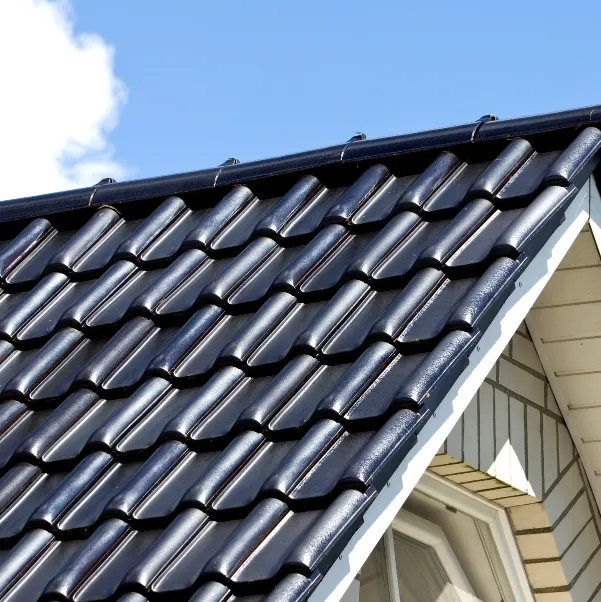
At Total Restoration, we strongly advise homeowners to use financing strategically to purchase resilience. The most valuable use of financing is covering the cost of material upgrades that reduce your long-term financial risk.
1. Financing the Class 4 Upgrade
While insurance will pay for a like-for-like replacement (e.g., standard shingle for standard shingle), they will not automatically pay for the upgrade to Class 4 Impact Resistance. That upgrade cost is the homeowner's responsibility—and it is a cost worth financing.
Why Finance the Upgrade? By financing the upgrade, you immediately secure a roof that is engineered to withstand the two-inch hail common in OKC. This action:
Reduces Future Deductibles: Minimizes the chance of filing another claim and having to pay another large deductible.
Secures Insurance Discounts: The Class 4 designation can lead to annual premium discounts, effectively making the financed upgrade pay for itself over time.
2. Financing Code-Mandated Upgrades
In some cases, the insurance adjuster may initially overlook mandatory Code Upgrade costs (e.g., adding increased attic ventilation or new decking fasteners). Even if the contractor fights for it, payment for these items can be delayed.
The Bridge: Financing can cover the cost of these code-mandated safety and structural improvements upfront. A top contractor ensures these crucial repairs are completed immediately, ensuring the new roof is compliant and durable, while the insurance process catches up.
Section 4: Government and Specialized Programs
Beyond conventional lending, there are specialized programs that may be available to homeowners in Oklahoma City, particularly those focused on low-income or disaster relief.

1. USDA Rural Development (Section 504 Loans and Grants)
Though OKC is urban, areas surrounding the metro often qualify as rural.
Purpose: Provides loans to very-low-income homeowners to repair, improve, or modernize their homes, including roofing. Grants are available to elderly, very-low-income homeowners to remove health and safety hazards.
Terms: Highly favorable interest rates (as low as 1%) and long terms (up to 20 years).
2. Disaster Relief Loans (HUD 203(k) and Fannie Mae)
In the wake of federally declared disasters, specialized government-backed loan products become available, which are flexible and cover large-scale rehabilitation.
HUD 203(k) Loans: Allows homeowners to finance the cost of a home purchase or refinancing and the cost of rehabilitation (including major repairs like roofing) into a single mortgage.
Financing for Immediate Protection
Are There Financing Options Available for Roofing Services in Oklahoma City, and What Do They Cover? The answer is yes, and they cover everything from the legally required deductible to the strategic upgrade to Class 4 materials.
The goal of utilizing financing for your roofing project is not simply to defer payment; it is to eliminate delay in protecting your largest asset. By securing a quality, storm-resistant system immediately—even if you finance the deductible or a material upgrade—you stop further damage, preserve your home’s structural integrity, and make a strategic financial move that pays off through insurance stability and lower future maintenance costs.
Schedule Your Quality Roof Assessment Today.
Ready for real value? Simply fill out the form for a professional roof assessment and receive your honest, detailed quotefor any neededwork.
