The Longevity Protocol: Best Practices for Maintaining Oklahoma City Roofing Systems
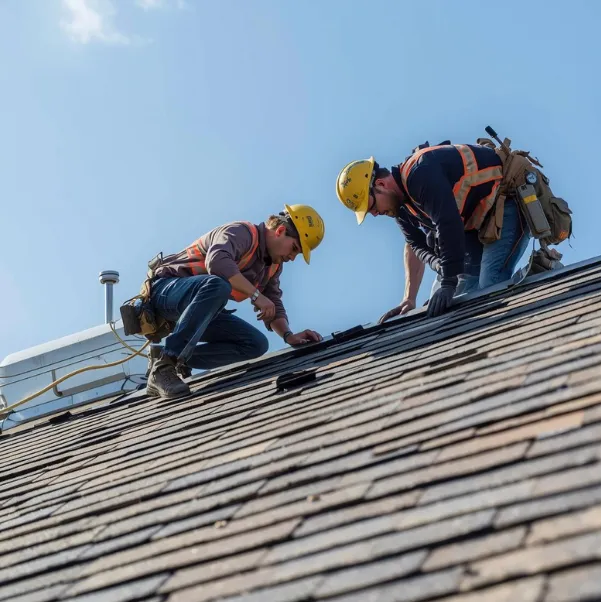
Living in Oklahoma City means being a resident of a climate that essentially tests your home's structural integrity every single season. From the violent "hook echos" of spring tornadoes and the relentless assault of golf-ball-sized hail to the stagnant, shingle-baking heat of August and winter's unpredictable freeze-thaw cycles, your roof is under constant environmental siege.
In this region, a roof is not a "set it and forget it" component of your home. It is a dynamic shield that requires a proactive defense strategy. Best Practices for Maintaining Roofs in the 405 area code go far beyond simple aesthetics; they are the difference between a roof that lasts its full twenty-year intended lifespan and one that fails catastrophically after just seven.
At Total Restoration, we see the results of neglected maintenance every day. Most major roof failures we encounter didn't start with a giant hole; they started with a tiny, ignored vulnerability. This in-depth guide provides a masterclass in local roof preservation, designed to help you protect your equity and ensure your home remains a fortress.
The Bi-Annual Standard: Timing Your Inspections
In more temperate climates, an inspection every few years might suffice. In Oklahoma City, the gold standard is a bi-annual professional check-up, supplemented by immediate assessments after any major weather event.
The Spring Pre-Storm Diagnostic
March and April are the "calm before the storm." This is the most critical window for maintenance. A spring inspection focuses on identifying any minor "winter fatigue"—sealants that cracked during a freeze or shingles that became brittle. By securing these vulnerabilities before the high-wind supercells of May arrive, you prevent the wind from finding a "lift point" that could peel back large sections of your roof.
The Fall Post-Summer Recovery
The Oklahoma summer sun is a relentless source of UV degradation. By September, asphalt shingles have endured months of thermal expansion. A fall inspection identifies "thermal cracking" or significant granule loss. This is also the time to ensure the system is ready for the weight of potential ice and snow, checking that the structural decking hasn't been softened by undetected summer leaks.
The Gutter-Roof Connection: Managing the Flow
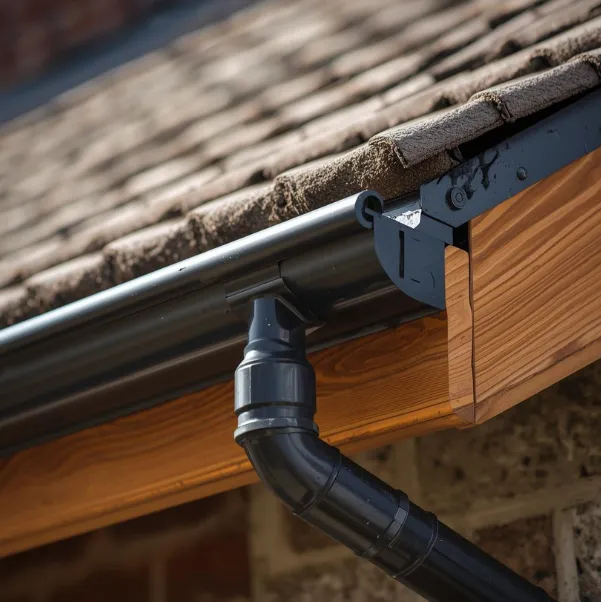
One of the most overlooked Best Practices for Maintaining Roofs is the maintenance of the drainage system. Your roof and your gutters are a singular, integrated water-management unit. When one fails, the other is compromised.
Preventing the "Back-Up" Effect
When gutters are clogged with autumn leaves or spring silt, water has nowhere to go. During a heavy Oklahoma downpour, this water pools at the eave (the roof's edge). Eventually, it works its way up and under the shingles via capillary action. This leads to:
Fascia Rot: The wood behind your gutters begins to decay.
Decking Saturation: The very edge of your roof's plywood base softens, making it impossible for nails to hold shingles securely during the next windstorm.
Ice Damming: In winter, clogged gutters cause water to freeze at the edge, creating a dam that forces melting snow back under your shingles and into your attic.
The Downspout Extension
Ensure your downspouts aren't just clear, but that they discharge water at least six to ten feet away from your foundation. Improper drainage doesn't just hurt your roof; it saturates the soil around your home, leading to foundation shifts that can actually cause your roof's ridge beam to sag or crack.
The Silent Killer: Attic Ventilation and Heat Mitigation
If your roof is failing prematurely—showing signs of "curling" or "blistering" shingles—the problem might not be the weather outside, but the air inside your attic.
The Pressure Cooker Effect
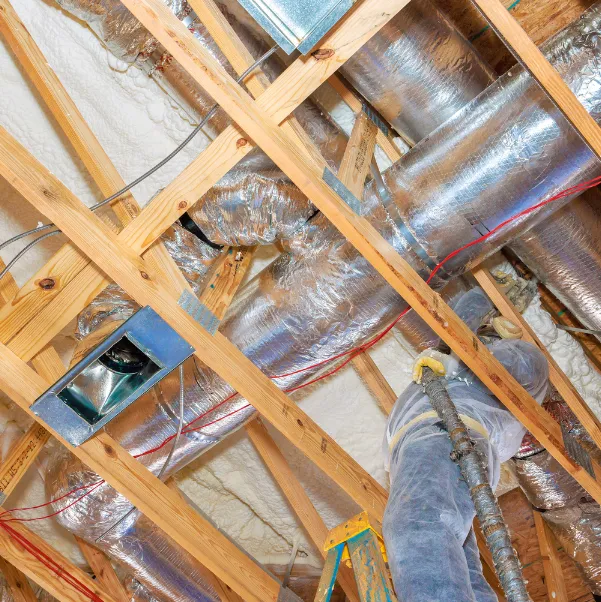
In an OKC July, your attic can easily reach 160⁰F if not properly vented. This extreme heat literally "cooks" your shingles from the underside. The asphalt becomes brittle, and the adhesive strips that keep shingles bonded together fail.
Best Practices for Airflow
A healthy roof requires a balanced ventilation system:
Intake: Air must enter through soffit vents (under the eaves).
Exhaust: Hot air must exit through ridge vents or solar-powered attic fans.
The Insulation Check: During a maintenance check, ensure your attic insulation isn't blocking the intake vents. This is a common error that suffocates the roof and leads to mold growth and "shingle fry."
The "Unseen" Damage: Hail and High Wind Forensic Checks
Oklahoma is famous for its hail. However, most homeowners wait for a leak to occur before they suspect hail damage. This is a mistake that can lead to denied insurance claims later.
Identifying Granule Loss
Hail doesn't always "break" a shingle. Often, it just knocks off the protective mineral granules. These granules are the "sunscreen" for your roof. Once they are gone, the underlying asphalt is exposed to UV rays, which will cause the shingle to disintegrate within 12 to 24 months.
Shingle Lift and Creasing
Oklahoma winds often hit 60–70 mph during standard thunderstorms. This wind can lift a shingle just enough to break its seal, then lay it back down. From the ground, it looks fine. But the next windstorm will easily catch that unsealed shingle and rip it away. Professional Best Practices for Maintaining Roofs involve "tab-checking"—manually ensuring the adhesive bond is still intact across the entire roof surface.
Landscape Defense: The Ten-Foot Rule
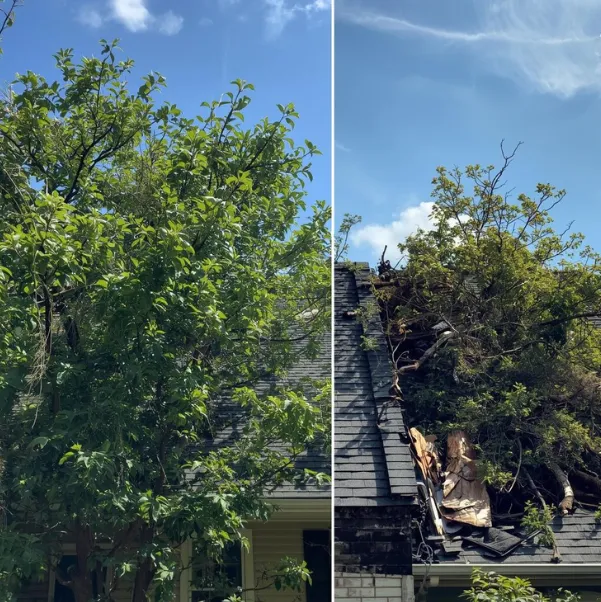
Trees provide beautiful shade, but in a high-wind state, they are a significant liability to your roof.
Abrasion Damage: Branches that hang over the roof will "scrub" the shingles during wind events. This constant friction acts like sandpaper, removing the protective coating of your roof in a matter of months.
The Debris Trap: Overhanging trees drop organic matter into valleys. This debris traps moisture against the shingles, leading to moss growth and rot.
The Ten-Foot Buffer: We recommend trimming all tree limbs so they are at least ten feet away from your roofline. This prevents easy access for pests (like squirrels and raccoons) and minimizes the risk of a heavy limb puncturing your roof during a storm.
Professional Stewardship
At Total Restoration, we believe that roof maintenance should be a partnership, not just a service call. We don't just "look" at your roof; we perform a comprehensive forensic evaluation of its health.
Our Integrated Maintenance Approach
When you choose us to manage your roof’s health, we provide:
Detailed Photographic Documentation: You see what we see. We provide high-resolution images of your flashing, shingles, and vents so you can track your roof's aging process over time.
Precision Repairs: If we find a loose shingle or a cracked vent boot, we fix it immediately using manufacturer-certified materials. These "micro-repairs" prevent the "macro-disasters" that lead to full replacements.
Claim History Preservation: By having a consistent record of professional maintenance, you are in a much stronger position if you ever need to file a major hail or wind claim. Insurance companies are far more likely to approve a claim when there is proof the homeowner has followed Best Practices for Maintaining Roofs.
The Value of Class 4 Upgrades
If your current maintenance reveals that your roof is nearing the end of its life, we specialize in transitioning OKC homeowners to Class 4 Impact-Resistant shingles. These aren't just "better" shingles; they are an investment that can significantly lower your annual insurance premiums and virtually eliminate the need for minor hail repairs in the future.
The Final Takeaway: Investing in Peace of Mind
Your roof is the most expensive and important protective system on your home. In Oklahoma City, you cannot afford to be reactive. By following these Best Practices for Maintaining Roofs—cleaning gutters, ensuring ventilation, and scheduling professional bi-annual inspections—you are not just spending money on maintenance; you are buying time and security.
Don't wait for the next "Tornado Alley" special to find out if your roof is compromised. Take control of your home’s defense today.
Schedule Your Quality Roof Assessment Today.
Ready for real value? Simply fill out the form for a professional roof assessment and receive your honest, detailed quotefor any neededwork.
